The Lenca trail as a different kind of Honduran luxury
The Lenca villages Honduras travel corridor west of Copán Ruinas offers a quieter kind of indulgence. Here luxury means time, space and cultural depth rather than black white marble lobbies, and it rewards travelers who value silence over swim up bars. You trade the reef shimmer of the Bay Islands for the textured highlands Honduras light that settles over terraced fields and slow markets.
This is where the Lenca people, the largest indigenous group in Honduras, have shaped the landscape for more than a century. Their Lencan heritage stretches across western Honduras and into El Salvador, forming a cultural bridge within Central America that predates any national border. When you follow the ruta Lenca from Copán toward Gracias and La Esperanza, you move through communities where the Lenca retained language fragments, farming rituals and pottery styles that speak softly yet clearly about identity.
Copán itself is a different civilization, a Maya center whose carved stelae and acropolis remain the most famous archaeological site in the country. Yet the valley around Copán Ruinas is also a practical launch point for Lenca villages Honduras travel, with a relaxed town, a national museum and easy logistics. Hacienda San Lucas, the intimate colonial style property above the valley, anchors many itineraries ; from there, the slow road west opens toward lesser known highland lodges and artisan hamlets.
From Copán Ruinas to Gracias and La Esperanza: mapping the slow road
Leaving Copán Ruinas, the road toward western Honduras bends through coffee slopes and cattle country before climbing into cooler air. Driving times vary with road works, yet you should allow at least four to five hours to reach Santa Rosa de Copán, and another three to four hours from this Rosa Copán hub to Gracias or La Esperanza. This is not a sprint ; it is a Lenca villages Honduras travel route where the journey, the roadside comedores and the conversations with local people matter as much as the final site.
Santa Rosa, often shortened to Rosa Copán by locals, works as a comfortable center between Copán and the higher Lencan communities. Here you find reliable hotels, Roman Catholic churches that anchor town life and cafés serving single origin beans from surrounding fincas. For families combining this cultural arc with reef time, it pairs neatly with a stay on Roatán ; our guide to off grid feeling family luxury in Honduras explains how to balance the Bay Islands with the highlands Honduras interior.
From Santa Rosa de Copán, the road to Gracias threads into central Honduras and the western highlands, where altitude finally delivers the temperature shift many coastal travelers crave. Expect winding segments, occasional potholes and slow trucks, but also sweeping views across central valleys that remind you this is still Central America, not an anonymous mountain highway. Self drive is feasible for confident drivers, though some guests prefer private transfers or guided itineraries that include stops in Lencan communities and national park gateways.
Gracias, La Esperanza and the Lenca artisan corridor
Gracias sits under the flanks of Celaque National Park, whose cloud forest ridge includes the highest peak in Honduras and frames the town with a permanent blue green wall. The colonial grid holds Roman Catholic churches, cobbled streets and a small yet engaging cultural center that introduces visitors to Lenca people history and contemporary life. From here, Lenca villages Honduras travel becomes tangible as you step into workshops rather than museums.
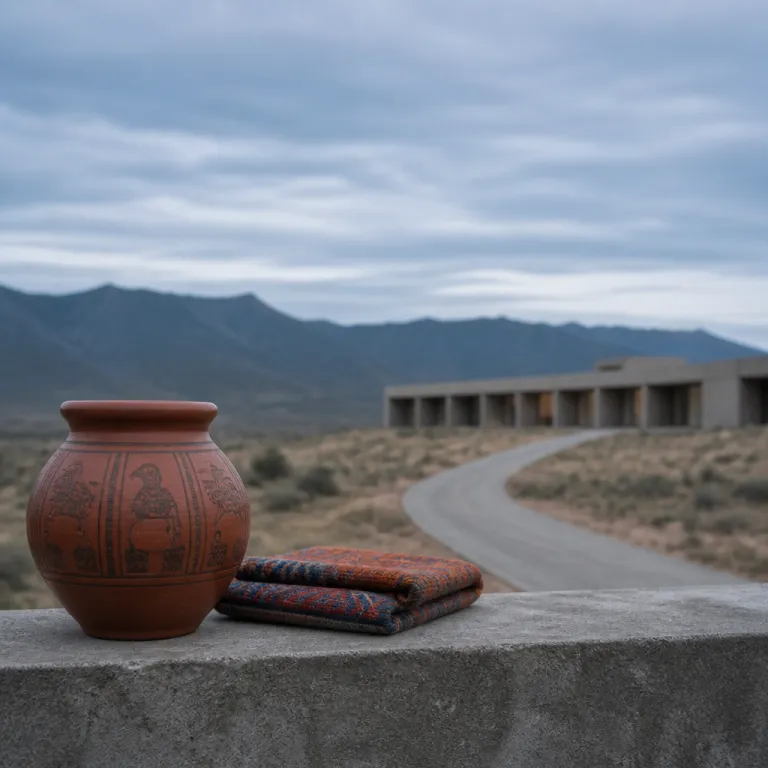
The Lencan communities around Gracias and La Esperanza form one of Central America’s most authentic artisan corridors. Potters in villages such as La Campa and San Manuel de Colohete still shape clay by hand, burnishing surfaces with river stones and firing pieces in open kilns that leave subtle black white smoke traces on the terracotta. Textiles, straw weaving and woodwork complement the pottery, and each craft reflects how culture Lenca has adapted to the highlands Honduras climate and to the circum Caribbean trade routes that once linked these valleys to the wider Americas.
Local organizations and tour operators now frame this as the ruta Lenca, a cultural route that connects indigenous communities across western Honduras and into neighboring El Salvador. As one regional overview puts it, “What is the Lenca Trail? A route through Lenca villages showcasing their culture and crafts. What crafts are the Lenca known for? Pottery, textiles, and straw woven goods. Are there accommodations along the Lenca Trail? Yes, various highland lodges and guesthouses are available.” For travelers used to polished reef resorts that train children in marine skills, such as those in our review of Honduras dive resorts with serious kids’ programs, this artisan focus offers a complementary, slower rhythm.
Highland lodges, climate advantage and when to go
Highland lodges along the Lenca villages Honduras travel arc are not about chandeliers ; they are about firelit dining rooms, wool blankets and views across folded ridges. Around Gracias, small properties near Celaque National Park position you for guided hikes into the cloud forest, while eco minded guesthouses closer to La Esperanza lean into farm to table cooking and Lencan recipes. Expect simple yet thoughtful rooms, hot showers that actually work at altitude and staff who know every trailhead by heart.
The altitude advantage is real, especially if you are arriving from the Bay Islands or from the humid lowlands near Pico Bonito National Park on the north coast. Days in western Honduras tend to be pleasantly warm, while evenings can be cool enough for a sweater, a welcome contrast to coastal heat that rarely breaks. Many travelers choose to visit December through the traditional dry season months, when roads are more reliable and the air over central Honduras feels crisp rather than heavy.
Guided hikes are easily arranged through lodges or local operators, whether you want a full day ascent toward Celaque’s summit or shorter walks through Lencan communities and coffee fincas. The best properties understand that their role is to connect guests with indigenous culture, not to insulate them from it, so they often coordinate pottery visits, market tours and conversations with artisans. For those planning a broader Honduras itinerary that includes reef time, our feature on exceptional places to stay in Roatán pairs naturally with a few cool nights in the highlands Honduras interior.
Culture, faith and practical etiquette along the Lenca trail
Understanding the cultural fabric of Lenca villages Honduras travel deepens every stay, especially when you move beyond Copán and Santa Rosa into smaller settlements. The Lenca people are often Roman Catholic in public ritual yet retain older beliefs in the way they bless fields, mark seasons and honor water sources. This layered spirituality, shared with other indigenous peoples of Central America, reflects how Lenca retained core elements of identity while adapting to national histories in both Honduras and El Salvador.
Many communities along the ruta Lenca are economically modest yet culturally rich, and respectful behavior matters more than any polished Spanish. Ask before taking photos, dress with a degree of modesty and treat pottery or textiles as art rather than cheap souvenirs, because these crafts sustain families and preserve culture Lenca for future generations. When you purchase directly from artisans, you participate in a form of cultural tourism that aligns with the region’s goal of economic support for indigenous communities rather than extractive sightseeing.
From a practical standpoint, prepare for mountainous terrain and variable road conditions between Copán, Rosa Copán, Gracias and La Esperanza, especially outside the dry season. Self drive travelers should carry offline maps, while those less comfortable behind the wheel can work with local tour operators who understand every bend and bridge. If you notice the word “edit” on hand painted signs or menus, treat it as part of the local English learning process rather than a flaw ; the real story here is how people in western and central Honduras are opening their communities to travelers from across the Americas.
FAQ
What is the Lenca Trail and how does it relate to Copán Ruinas ?
The Lenca Trail, or ruta Lenca, is a cultural route through Lencan communities in western Honduras and neighboring El Salvador that highlights indigenous crafts, food and traditions. Copán Ruinas, known for its Maya archaeological site, works as a practical starting point because it offers quality accommodation, transport links and a gentle transition from classic tourism to slower village travel. From Copán you can continue by road toward Santa Rosa de Copán, Gracias and La Esperanza, where the Lenca focus becomes stronger.
How long should I plan for Lenca villages Honduras travel in the highlands ?
To experience the artisan corridor properly, plan at least three to five nights between Santa Rosa de Copán, Gracias and La Esperanza. This allows time for guided hikes in Celaque National Park, pottery visits in Lencan villages and unhurried evenings in highland lodges. Travelers combining the highlands with the Bay Islands or Pico Bonito often allocate a full week to balance reef, rainforest and culture.
Are the roads safe between Copán, Santa Rosa, Gracias and La Esperanza ?
Roads in western and central Honduras are generally passable year round, though conditions vary with weather and maintenance. The main highways between Copán, Santa Rosa de Copán and Gracias are paved but can include potholes, slow trucks and occasional construction delays. During the dry season driving is easier, while in wetter months some travelers prefer private transfers or organized tours.
Can I visit Lenca communities independently or do I need a guide ?
Independent travel is possible for experienced drivers who are comfortable navigating rural roads and speaking basic Spanish. However, local guides and community based tour operators add context about Lenca culture, arrange introductions to artisans and help ensure that visits are respectful and beneficial for host communities. Many highland lodges can organize half day or full day guided hikes that combine nature, history and craft visits.
When is the best time of year to visit the Lenca highlands ?
The most comfortable period for Lenca villages Honduras travel is typically during the dry season, when roads are more reliable and skies are clearer. Many travelers choose to visit December and the surrounding months to enjoy cooler temperatures and reduced rainfall. Even then, evenings in the highlands can be chilly, so pack layers for walks in Celaque National Park and other elevated areas.