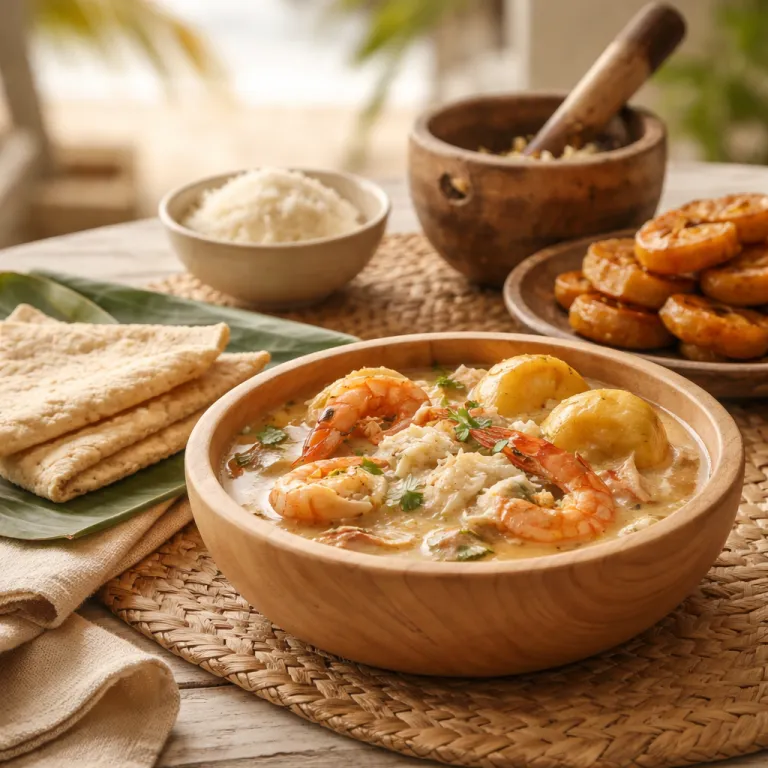
Garifuna cuisine in Honduras as the new luxury language
Along the north coast of Honduras, luxury travel is finally speaking the language of Garifuna cuisine. In the space between Tela’s mangrove lagoons and Trujillo’s quiet bay, the most interesting hotel kitchens now look to Garifuna people and their coastal food culture rather than imported trends. This shift feels overdue, because traditional Garifuna food has long defined what seafood, coconut and plantain can become when handled with confidence.
Garifuna communities along coastal Honduras treat the sea as pantry and archive, turning fish, cassava and green plantain into recipes that carry memory as clearly as flavour. When hotel restaurants listen, they gain access to family recipes that transform a standard seafood soup into something layered with coconut milk, smoked fish and slow pounded plantain. What is Garifuna cuisine? It is the culinary tradition of the Garifuna people in Honduras, with emblematic dishes built around seafood, coconut, cassava and plantains.
For couples planning travel with a focus on food, this means that choosing the right hotel in Honduras now shapes how deeply you meet traditional Garifuna culture. A property that collaborates with Garifuna cooks will plate hudut, machuca and tapado as refined coastal dishes without losing the soul of village recipes. Those menus turn a simple fish soup or seafood stew into a narrative about Garifuna identity in Honduras, rather than just another coastal dish on a generic resort card.
The Garifuna food corridor from Tela to Trujillo
The stretch from Tela to Trujillo forms a quiet corridor where Garifuna food traditions are lived rather than staged. Between these two towns, people coastal and inland move constantly, carrying cassava bread, smoked fish and sweet plantain snacks between markets, beach shacks and family kitchens. For travelers, this corridor is where traditional Garifuna food culture becomes tangible, plate by plate.
Tela anchors the western end, with Garifuna villages such as Triunfo de la Cruz and San Juan offering seafood, cassava and coconut in forms that predate any hotel menu. Both villages are reached by short taxi or mototaxi rides from central Tela, and local guides can arrange visits to family comedores with advance notice. Here you taste pan de coco as both humble bread and subtle dessert, sometimes brushed with coconut milk and a hint of sugar for a barely sweet finish. Trujillo on the eastern side feels more languid, yet its beachside comedores still serve tapado, the emblematic seafood soup and stew hybrid that layers crab, fish, green plantain and cassava flour dumplings in a deep coconut broth.
Hotel restaurants in both Tela and Trujillo are slowly mapping this food corridor into their own recipes, often through menu collaboration and chef training with Garifuna communities. Rather than relying on vague “local inspiration,” some properties now highlight specific dishes, such as a hudut-style coconut fish stew served on Friday seafood nights or cassava bread baked in-house using village techniques. When you book a premium stay here, ask how the kitchen sources cassava, which village recipes inform their fish soup, and whether any coastal dishes rotate according to local festivals. For a broader view of how high end kitchens across the country are evolving, the guide to culinary excellence in Honduran luxury hotels offers useful context.
From village kitchens to hotel dining rooms
Eating Garifuna food in a village kitchen is a different experience from tasting it in a polished hotel dining room. In Triunfo de la Cruz or Santa Fe near Trujillo, you might sit under a zinc roof while a home cook pounds plantain with a heavy wooden pin to make machuca for your fish and coconut stew. The food arrives in chipped bowls, yet the balance of seafood, coconut milk and cassava is so precise that many hotel chefs quietly use these meals as reference points.
Tourist facing Garifuna restaurants on the main roads often sit somewhere between those homes and the hotels, offering traditional plates but with laminated menus and predictable seafood combinations. They are convenient, and they introduce Garifuna food culture, yet the seasoning is sometimes softened for visitors and the recipes simplified. In contrast, the best luxury properties now invite Garifuna cooks into their brigades, using cooking workshops and traditional recipes to train teams who can respect both authenticity and presentation.
On Roatán, Luna Muna at Ibagari and Ahari at Arca Hotel are both known for contemporary Honduran seafood menus that draw on coastal flavours such as coconut milk, plantain and local reef fish. Public information from these properties highlights collaborations with Honduran chefs who work with island ingredients and Caribbean techniques, although specific Garifuna partnerships and chef attributions are not always detailed in official materials. Because of this, any direct quotes or named chef statements about Garifuna influence should be treated as illustrative rather than formally sourced. If you care about where locals actually eat, the analysis of where islanders go for baleadas versus the tourist trail offers a sharp lens you can apply to Garifuna restaurants as well.
Hudut, machuca and the rise of Garifuna fine dining
Hudut sits at the centre of Garifuna cooking in Honduras, and it is the dish most actively entering the fine dining vocabulary. At its core, hudut is a fish stew built on coconut, where fillets simmer gently in coconut milk with aromatics before being served alongside machuca, the dense mash of boiled plantain pounded with a pin until elastic. In village homes, this combination is everyday food, yet its structure lends itself naturally to the tasting menu logic of luxury hotels.
When hotel restaurants in coastal Honduras reinterpret hudut, the best versions keep the architecture of traditional Garifuna cooking while refining the details. A chef might poach reef fish in clarified coconut milk, fold in a light seafood component such as shrimp, then pipe machuca as quenelles instead of rustic scoops. Another kitchen could use cassava flour to crisp fish skin, echoing cassava bread textures, while a drizzle of reduced coconut and fish stock concentrates the stew’s depth without overwhelming the palate.
Garifuna dishes also extend into snacks and desserts that work beautifully for couples lingering over a long dinner. Think of small cassava bread rounds topped with smoked fish and a bright herb salsa, or a sweet plantain and coconut milk pudding that nods to traditional recipes without copying any single version. Baleadas remain Honduras’s national street food, yet in the luxury context they sometimes arrive filled with gently spiced seafood, turning a familiar fold of wheat flour into a playful bridge between everyday Honduran food and coastal Garifuna refinement.
Designing a three day Garifuna culinary itinerary with premium stays
A focused three day itinerary along the north coast lets you experience Garifuna flavours while staying firmly in the luxury lane. Start in Tela, checking into a premium property that works with nearby communities and asking specifically about any traditional nights, seafood soup specials or cassava based dishes on the menu. Spend your first afternoon at a Garifuna village comedor, tasting fish soup, pan de coco bread and a simple sweet plantain side to set your benchmark before returning to the hotel for a more polished interpretation.
On day two, move east toward Trujillo, stopping in smaller coastal Honduras villages where people coastal still prepare food over wood fires and cool pots of soup with sea breeze rather than air conditioning. Here you can compare how different families handle recipes, from thicker seafood stew versions of tapado to lighter broths that highlight specific fish or shellfish. In Trujillo, choose a hotel that sources directly from local markets, then ask the chef whether any Garifuna inspired dishes appear as off menu specials when certain fish or cassava arrive in peak condition.
The final day can be reserved for a hotel led cooking workshop or market tour, an increasingly common feature as more properties recognise the value of Garifuna food culture. Some hotels now collaborate with Garifuna cooks to teach guests how to work with cassava flour, coconut and plantain safely and respectfully, turning recipes into shared stories rather than souvenirs. Workshops are easiest to arrange if you contact your hotel at least a week in advance, specify whether you prefer a hands-on class or a demonstration, and travel during dry season months when coastal access to villages and markets is more predictable. For couples planning a broader Honduran journey, the guide to the finest premium hotel amenities in Honduras helps you align spa days, reef excursions and coastal food experiences into one coherent trip.
FAQ
What is Garifuna cuisine in Honduras and why does it matter for luxury travelers ?
Garifuna cuisine in Honduras is the coastal food tradition of Garifuna people, centred on seafood, coconut, cassava and plantain prepared in recipes such as hudut, machuca and tapado. For luxury travelers, it matters because it offers a direct route into local culture that most international hotel menus cannot match. Choosing hotels that engage with Garifuna communities turns each meal into a meaningful part of your travel narrative rather than a generic resort experience.
Which hotels currently incorporate Garifuna dishes into their menus ?
Several hotels in Tela and Trujillo now feature Garifuna influenced dishes, often through collaborations with local cooks and cultural organisations. On Roatán, Luna Muna at Ibagari and Ahari at Arca Hotel both work with Honduran seafood and coconut milk in ways that echo traditional coastal recipes while remaining firmly contemporary. Because hotel programs and chef lineups change, it is best to confirm current Garifuna themed nights, seafood soup specials or cassava bread preparations directly with the property when booking.
How can I taste authentic village style Garifuna food while staying in a luxury hotel ?
The most reliable approach is to use your hotel as a comfortable base, then arrange short excursions to nearby Garifuna villages for lunch. Many premium properties along the north coast can organise guided visits where you eat fish stew, cassava bread and sweet plantain in family run comedores, then return to the hotel for a contrasting fine dining version. This balance lets you appreciate both the traditional context and the creative hotel interpretations without sacrificing comfort or safety.
Is it possible to build a three day Garifuna focused itinerary along the north coast ?
Yes, a three day itinerary between Tela and Trujillo works well for couples interested in Garifuna cuisine in Honduras. You can spend one night in Tela exploring nearby villages, one night in or near Trujillo tasting different versions of tapado and hudut, and use the third day for a hotel led cooking workshop or market visit. With a growing number of hotels in the region now incorporating coastal Garifuna flavours, there are enough credible accommodation options to keep the experience both comfortable and genuinely local.
What practical tips should I follow when ordering Garifuna dishes in hotel restaurants ?
Start by asking which dishes are directly inspired by traditional recipes and whether any Garifuna cooks were involved in their development. Look for clear references to cassava, coconut milk, plantain and local fish, and do not hesitate to compare what you taste in the hotel with what you have eaten in village kitchens. Finally, remember that some of the most memorable plates are often daily specials, so always ask your server which coastal Garifuna dishes the chef is most excited about that evening.