World tourism day in Honduras and the real meaning of sustainable travel
World Tourism Day in Honduras lands quietly on the calendar, but the conversations around world tourism day Honduras sustainable travel are getting sharper. Luxury travelers now ask how tourism in this Central America country can be both indulgent and sustainable, and which conservation projects genuinely benefit from their stay. On this day, the question is no longer whether tourism is good for Honduras, but whether each travel choice strengthens protection of reef, wildlife and local communities or simply fuels unchecked tourism development.
Honduras has joined the Global Sustainable Tourism Council, and that national investment signals a shift from slogans to measurable sustainable tourism standards. For guests booking premium rooms on the Bay Islands or in Pico Bonito, this means that travel companies and hotels are increasingly audited on eco tourism practices, from energy use to how they support protected areas and a nearby marine reserve. When you plan to visit during tourism day celebrations, you can now ask properties how their tourism development strategy aligns with national sustainable tourism goals and how much of your nightly rate reaches conservation projects on land and in the water.
Luxury in this country is no longer only about thread count and infinity pools, it is about whether your stay helps keep coral reefs alive and wildlife corridors intact. On World Tourism Day, Honduras invites travelers to think of every eco choice as a form of quiet activism, whether you are diving along the barrier reef or hiking in a cloud forest reserve. A carefully chosen hotel can turn a single day of travel into long term support for animals, local guides and national park rangers who hold the line on conservation.
From bay islands reefs to Pico Bonito trails: where your booking funds protection
On the Bay Islands, the Mesoamerican barrier reef sits just a few fin kicks from many luxury piers, and this proximity makes the link between tourism and reef protection impossible to ignore. Properties that partner with the Roatán Marine Park or a marine reserve in Cayos Cochinos often channel a fixed amount per night into coral reefs monitoring, reef patrols and coral restoration, turning each guest into a quiet donor. When you read a hotel blog or an Instagram post about eco initiatives, ask whether there is a transparent fee per dive or per day that goes directly to conservation projects rather than to general marketing.
In Pico Bonito and the wider Bonito National Park area, premium jungle lodges sit beside rivers where wildlife still moves between protected areas and community farmland. Here, sustainable tourism depends on long term investment in trail maintenance, ranger salaries and local guiding cooperatives that make ecotourism a viable career, not a seasonal side job. Before you book, request details on how many local staff are employed from nearby villages, how much of the eco fee supports the national park, and whether the lodge participates in any national or regional conservation projects that protect animals such as toucans, monkeys and elusive cats.
For a deeper dive into how luxury properties are rethinking eco tourism in Honduras, our analysis of sustainable travel trends in luxury hotel booking breaks down which travel companies are leading. On World Tourism Day, Honduras offers a rare chance to compare these models side by side, from reef focused resorts to mountain retreats that anchor rural tourism. Use this day as a prompt to review not only room photos and view post captions, but also the fine print on conservation, community partnerships and long term tourism development.
Garifuna tables, national parks and the eco metrics that matter when you book
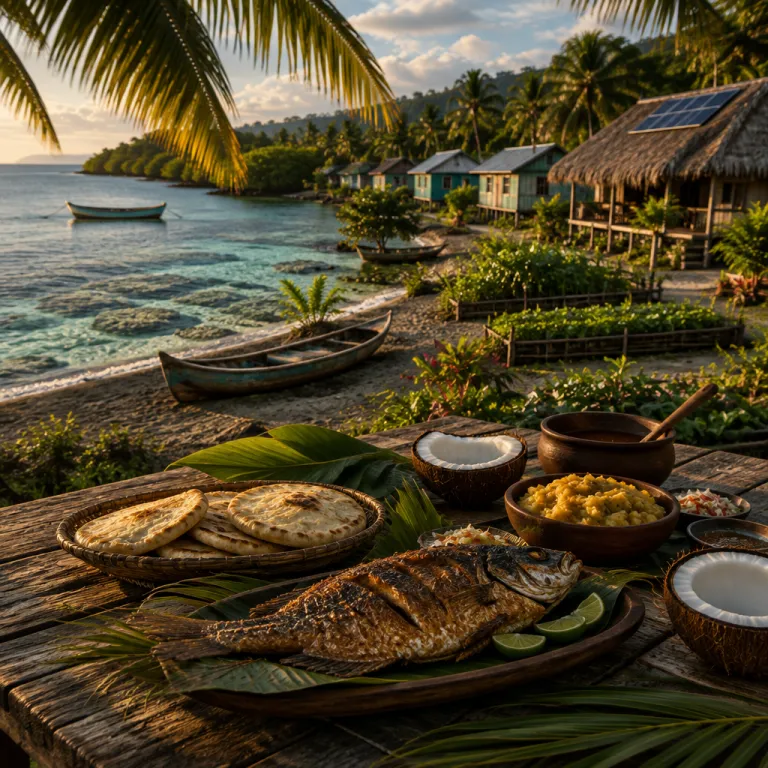
Along the north coast, Garifuna communities in places like Triunfo de la Cruz and Sambo Creek welcome guests to eat at the Garifuna table, where hudut and fresh fish tell a story of sea, land and resilience. For the solo explorer, choosing a hotel or eco lodge that works with local Garifuna owned restaurants and cultural guides is one of the most direct ways to support sustainable tourism beyond the resort gate. When a property highlights Garifuna food in a post shared on its blog or in a polished post Instagram campaign, ask whether those meals are cooked by local chefs in their own spaces or simply replicated in a hotel kitchen without real community investment.
Inland, Honduras national park networks such as Pico Bonito and Celaque frame some of the most ambitious conservation projects in Central America, and luxury travelers are increasingly using their bookings to support these protected areas. A credible eco property will publish clear data on park entrance fees, wildlife monitoring support and how many local rangers or guides are funded by guest stays, rather than relying on vague eco language in an Instagram post. Our guide to sustainable luxury hotel booking in Honduras outlines the metrics that matter, from reef safe sunscreen policies to how hotels handle waste in remote national park settings.
When you evaluate options for world tourism day Honduras sustainable travel, look for properties that treat eco tourism as a core business model, not as a seasonal marketing theme. That means contracts with local cooperatives, transparent reporting on conservation funding and a willingness to let guests view post trip impact summaries rather than only glossy pre trip promises. In this country, the most meaningful luxury often happens far from the lobby, at a Garifuna table, on a forest trail or beside a reef nursery where your room rate quietly keeps the work going.
How to audit a luxury hotel’s sustainable claims on world tourism day
World Tourism Day gives you a perfect excuse to interrogate the sustainable claims of any Honduran hotel before you book, especially if you plan to spend time near coral reefs or in a wildlife rich reserve. Start by asking for specific examples of conservation projects the property supports, such as a named marine reserve, a particular national park or a defined wildlife monitoring program with measurable outcomes. If the answers stay vague, with generic eco language and no mention of protected areas, barrier reef initiatives or national partners, treat that as a warning sign rather than a minor omission.
Next, examine how the hotel communicates its eco tourism work across channels, from the main website to each Instagram post or short blog update. A serious player will share more than a single post shared on tourism day, instead offering regular reporting on reef health, animals sightings, community training and how guest funded investment is allocated between conservation and local employment. When you scroll and view post captions, look for mentions of specific marine reserve names, national park projects and collaborations with travel companies that specialize in ecotourism rather than mass tourism.
Finally, consider how your own travel behavior on this day can align with world tourism day Honduras sustainable travel principles, from reef safe sunscreen to low impact wildlife viewing. Choose operators that brief guests on distance rules around animals, anchor only in designated zones near coral reefs and respect fishing regulations that protect herbivorous fish crucial to reef health. If you want a refined base with strong environmental credentials on Roatán, a carefully planned Infinity Bay Resort Roatán day experience can pair comfort with direct access to the barrier reef, provided you verify how the resort supports reef protection and local conservation partners.
FAQ
How can I tell if a Honduran luxury hotel truly supports reef conservation ?
Ask the hotel to name the specific marine reserve, reef program or conservation projects it funds and request approximate annual contributions. Serious properties near the Bay Islands or other coral reefs will often partner with organizations such as the Roatán Marine Park and share updates on outcomes, not just intentions. If the hotel cannot explain how guest fees support protection of the barrier reef or nearby protected areas, its sustainable claims are likely superficial.
What should I look for when booking near a national park in Honduras ?
When staying near a national park such as Pico Bonito, check whether the lodge pays official park entrance fees, hires local guides and contributes to trail or wildlife monitoring. Properties engaged in genuine ecotourism will be transparent about how much of your stay supports the national park and surrounding communities. They will also brief guests on low impact behavior around wildlife and sensitive habitats inside the reserve.
How does my spending support Garifuna communities and local culture ?
Your impact is strongest when you choose hotels that work with Garifuna owned restaurants, cultural centers and guiding cooperatives rather than offering isolated in house shows. Ask whether the Garifuna table experiences are hosted in community spaces and how revenue is shared with local families. Look for clear references to long term partnerships, not one off tourism day events or occasional marketing posts.
Is it possible to enjoy luxury and still practice sustainable tourism in Honduras ?
Yes, many Honduran properties now combine high comfort with strong environmental and social commitments, especially around the Bay Islands and in mountain reserves. The key is to prioritize hotels that integrate eco measures into daily operations, from energy and water use to conservation funding and local hiring. On world tourism day Honduras sustainable travel becomes a practical checklist, not a compromise on comfort or experience.
What questions should I ask a hotel on World Tourism Day before booking ?
Request details on which conservation projects your stay supports, how many local staff are employed, and whether the hotel has any third party sustainable tourism certifications. Ask how they manage waste, water and energy, and how they protect nearby wildlife or coral reefs. A confident property will answer clearly and may even share reports or links to project partners so you can verify their claims.