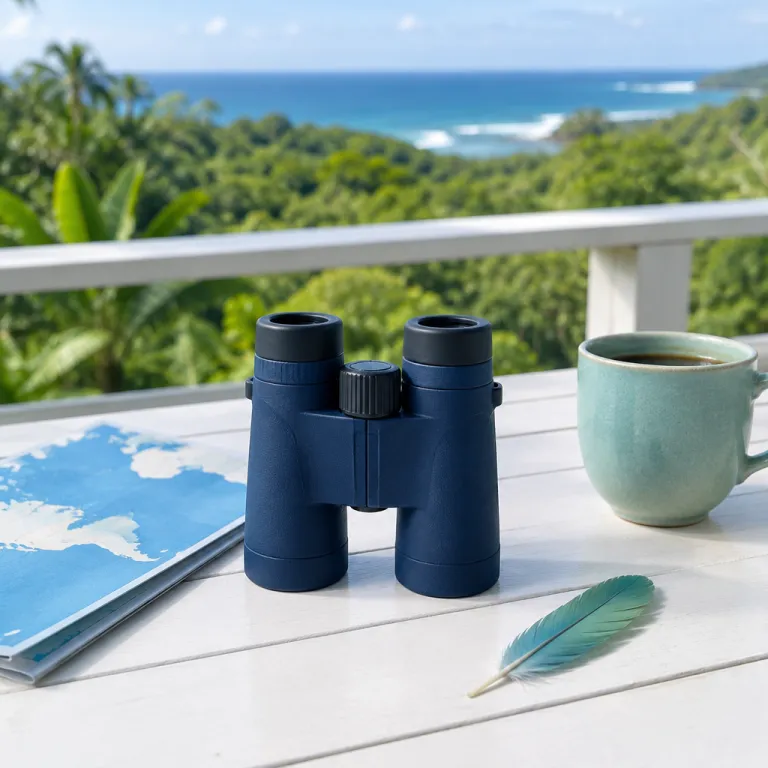
Why birdwatching in Honduras belongs on a luxury itinerary
Birdwatching in Honduras is not a niche hobby; it is a reason to plan an entire trip. In a compact country that holds more than 770 recorded bird species, according to regional checklists maintained by organizations such as eBird and local ornithological groups, you move in a single day from Caribbean humidity to cool cloud forest and back to the coast for sunset cocktails. For travelers used to reef villas and design forward city stays, serious birding in Honduras adds a layer of narrative that standard resort weeks rarely match.
The appeal starts with geography, because Honduras sits at the narrow waist of Central America where migration corridors pinch together. That central position concentrates species and makes birding Honduras unusually efficient, with forest, lake and mangrove habitats all within a few hours of each other by road. When you choose the right lodge, you can step from your veranda to a private trail at dawn, then be back in time for a white tablecloth breakfast while hummingbird feeders vibrate beside your coffee.
Luxury here is not about marble lobbies; it is about proximity to birds and the quality of guiding. The best lodges in Honduras pair polished service with in house naturalists who know every bird species by call and silhouette, and who can pace a tour for both the obsessive birder and the partner who mainly wants a good photo and a spa treatment. Many itineraries build in flexible days, with one guest chasing a target bird in the forest while the other enjoys the pool or a massage, yet both meet again for a long dinner as black sky over the park fills with night sounds.
Pico Bonito and the north coast: cloud forest canopies and Caribbean light
If you are going to make one serious investment in birdwatching Honduras, make it at The Lodge at Pico Bonito. This luxury eco lodge sits at the base of Pico Bonito National Park, where steep slopes rise into dense cloud forest and then into higher cloud forests that hold some of the most sought after bird species in the country. From your cabin you walk straight into primary forest on well maintained trails, with hanging bridges that lift you into the canopy where keel billed toucans and collared aracaris move like punctuation marks through the green.
The lodge’s guided birding tours are a benchmark for Honduras, and they are designed for travelers who want comfort as much as checklists. Birding is excellent year round, with dry season months from roughly February to May often bringing clearer views and easier trail conditions, while November and early December can be productive for migrating raptors. Typical outings leave around first light with small groups or private guiding, and conservation is a stated priority for the property. That means you can expect early starts, strong coffee, and a guide who knows where the lovely cotinga has been seen recently, but also a polished restaurant, a serious wine list and a pool that looks toward the forested ridgeline of the national park.
On the coastal side of the north, Jungle River Lodge offers a more casual base between two national parks, ideal if one partner prefers rafting while the other focuses on birds along the river trail. From La Ceiba you can also reach the Cuero y Salado Wildlife Refuge, a mangrove and lagoon system where boat tours include manatees, kingfishers and flocks of white egrets against black water. This north coast arc pairs easily with a whale shark focused stay on Utila, and a detailed guide to the whale shark season off Utila explains how to mesh dive lodge logistics with pre or post dive birding days at Pico Bonito.
Lake Yojoa and PANACAM: where forest meets water
Lake Yojoa is where birdwatching Honduras becomes almost absurdly productive for travelers who want big returns without brutal wake up calls. The lake sits in a broad basin ringed by forests and national parks, and more than 400 bird species have been recorded in this single area, according to regional bird lists compiled by Honduran ornithologists, making it one of Central America’s premier birding sites for both beginners and experts. You can spend a relaxed morning on the water watching herons and snail kites, then climb into cooler forest by afternoon in search of motmots and trogons.
PANACAM Lodge, set inside the Azul Meámbar National Park above Lake Yojoa, is the most comfortable base for this region and a strong fit for travelers who want a mountain hotel feel with serious birding credentials. Rooms look out over forested slopes, and the network of trails includes both easy loops and steeper paths that push into denser forest where the chance of seeing a lovely cotinga or a shy antbird increases with every careful step. Guided birding tours here often include both forest and lake habitats in a single day, which means your species list climbs fast without ever feeling like a forced march.
Los Olingos Lodge, on the lakeshore, leans further into eco lodge character and conservation, and it works well if you want to wake to the sound of birds right over the water. Many travelers split their time between a lakefront lodge and PANACAM’s higher elevation rooms, using the lake days for boat based photo sessions and the mountain days for cloud forest targets. If you are planning a longer Honduras trip that also includes Roatán, our guide to exceptional places to stay in Roatán outlines how to balance reef focused nights with inland birding extensions around Lake Yojoa.
From Tegucigalpa to La Tigra and beyond: cloud forests for couples
Many travelers land in Tegucigalpa and immediately connect onward, but birdwatching Honduras starts surprisingly close to the capital. La Tigra National Park protects a swathe of cloud forest just outside the city, and it offers cool air, mossy trails and a very different mood from the Caribbean coast. For couples who want a soft landing, a night in a comfortable lodge near the park gates lets you adjust to the country while already adding cloud forest species to your list.
Trails in La Tigra’s cloud forests are well marked, and while the gradients can be steep, you can choose shorter loops that still pass through excellent habitat. Here you listen for mixed flocks moving through the mid story, and you watch for hummingbird activity around flowering trees where both common and rare species feed in quick bursts. The forest itself is the luxury, with dripping bromeliads, white orchids and black shadows under the canopy creating a sense of depth that no urban park can match.
From Tegucigalpa you can also reach other national parks and wildlife refuge areas by road, stitching together a circuit that might include drier forests where the endemic Honduran emerald can sometimes be found. Travelers who care about context as much as checklists often use field guides by Robert Gallardo or Steve Howell, referring to them in the lodge lounge at night to review the day’s sightings. If your wider itinerary includes Roatán, keep an eye on how the island is evolving; our analysis of how the Isla Tropicale rebrand reshapes Roatán for hotel guests explains why pairing a refined island stay with a cloud forest escape creates a more balanced Honduran trip.
How to plan a serious birding trip without sacrificing comfort
Planning a birdwatching Honduras itinerary for two people with different priorities is less complicated than it looks. Start by deciding how many nights you want to spend in each ecosystem, then choose one primary lodge in each region rather than hopping constantly between properties. For many couples the sweet spot is a triangle of Pico Bonito for cloud forest and Caribbean foothills, Lake Yojoa for lake and mid elevation forest, and a final stop on the islands or north coast for reef time.
When you book, ask specifically about in house guides, because the best birding lodges in Honduras employ naturalists who know both the birds and the rhythm of a couple’s holiday. Clarify whether your stay includes private tours or small group outings, and whether early breakfast can be arranged on days when you want to be on the trail before first light. If one partner is more focused on photography, confirm that guides are comfortable pacing the day around photo opportunities rather than pure species counts, especially when targeting charismatic birds such as keel billed toucans, collared aracaris or the turquoise flash of a hummingbird at close range.
Optics and logistics matter too, but they should not dominate the mood of your trip. High quality binoculars are essential, and a compact spotting scope can be useful at Lake Yojoa or in open areas of wildlife refuge sites such as Cuero y Salado, yet you should pack them in carry on luggage and be ready to explain them briefly at airport security. Insect repellent, light long sleeves and comfortable hiking shoes are non negotiable in Honduran forests, while a simple system for backing up photo files each night in the lodge keeps your growing archive of species birds safe as the list of species Honduras reveals to you lengthens day by day.
FAQ
Is birding in Honduras really good all year?
Birding in Honduras is excellent year round, because resident bird species are present in every season and different migration windows add variety. The dry season often brings easier trail conditions in many national parks, while the wetter months can be better for certain cloud forest specialties. For couples planning a once in a lifetime trip, any month can work if you match your target species to the right region and confirm local conditions with your lodge a few weeks before arrival.
Which regions should first time birders prioritize?
First time visitors focused on birdwatching Honduras should prioritize Pico Bonito National Park and the Lake Yojoa region. Pico Bonito offers cloud forest, foothill forest and access to coastal mangroves, while Lake Yojoa and PANACAM Lodge combine lake habitats with mid elevation forests in a compact area. Together these regions give you exposure to a wide range of species birds without exhausting travel days, and they connect by road in roughly four to five hours depending on traffic.
Do I need a guide, or can I bird on my own?
You can bird independently on marked trails around some lodges and in certain national parks, but a professional guide dramatically increases both your species count and your understanding of local ecology. In Honduras, top lodges such as The Lodge at Pico Bonito and PANACAM Lodge offer guided tours with naturalists who know where key bird species are likely to be at different times of day. For couples, a guide also removes the stress of navigation and lets both partners stay present in the experience.
Is it easy to combine diving and birding in one Honduras trip?
Combining reef diving and serious birding in Honduras is straightforward, because the north coast and Bay Islands sit close to major birding hubs. Many couples spend several nights at a birding lodge near Pico Bonito or Lake Yojoa before flying or boating to Roatán or Utila for diving. This pattern lets one partner prioritize wall dives or whale shark encounters while the other focuses on forest trails, with both sharing the same high standard of hospitality throughout.
Are birding lodges in Honduras suitable for non birders?
Most high end birding lodges in Honduras are very comfortable for guests who are not obsessed with birds. Properties such as The Lodge at Pico Bonito and PANACAM Lodge offer pools, good food, quiet rooms and optional activities like rafting or gentle nature walks. Non birding partners can enjoy slow mornings, spa style downtime or photography while the keen birder joins early tours, then both reconnect over dinner as the forest settles into night.