Roatán lobster season in July: how luxury hotels treat the island’s catch
Roatán’s July catch and how luxury hotels treat it
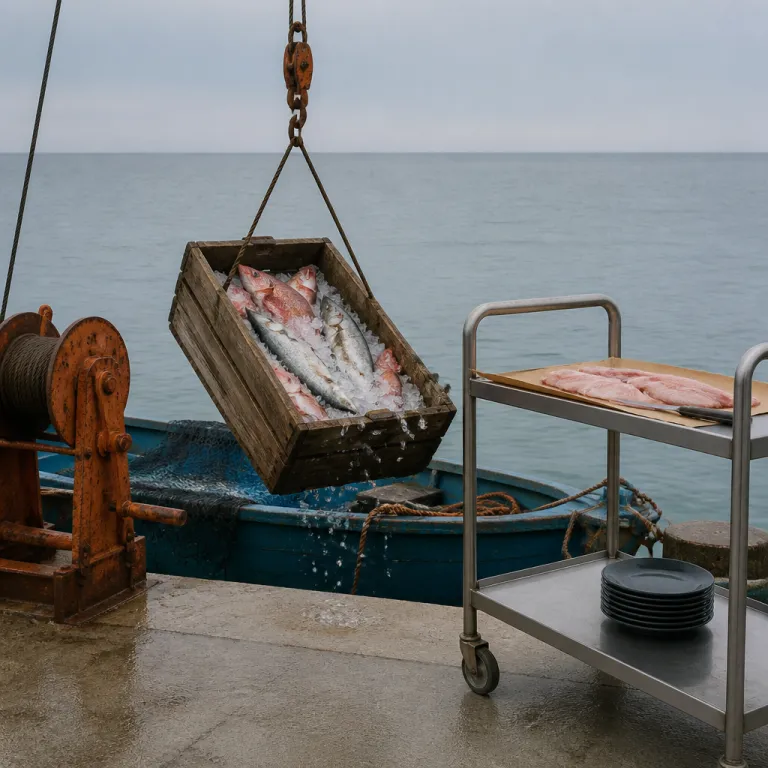
On Roatán in July, the day starts at the docks before the sun lifts over the bay. Local fishermen ease into the harbour with coolers full of lobster, snapper, grouper and the shellfish that will define any serious Roatán restaurant guide for this season. As one island fact puts it with disarming clarity, “When does lobster season start in Roatán? July 1st,” echoing the wider Caribbean lobster season dates set for the Honduran Caribbean, and “What seafood dishes are popular in Roatán hotels? Lobster, conch, shrimp, crab, and fish dishes”.
The average sea temperature in July sits in the high twenties Celsius, around 28–29 °C according to regional marine data, which keeps the western Caribbean waters kind to both divers and the seafood that moves from boat to kitchen in under an hour. On the island’s west side, many of the best hotel restaurants work directly with these fishermen, turning fresh seafood into menus that change almost daily rather than relying on frozen imports from mainland Honduras. For couples staying in West Bay or nearby, this is where a perfect day begins, with chefs quietly checking the coolers while guests are still asleep in their suites.
By late morning, the luxury properties along West Bay and Sandy Bay have already locked in their allocations of lobster, conch and reef fish for the evening service. The most serious Roatán restaurants post a small board by the entrance, listing which seafood is truly fresh that day and which dishes are limited to a handful of plates. At a well regarded West Bay Roatán restaurant, you might see “grilled Caribbean lobster with coconut rice” chalked up with the name of the boat that landed it, a practice followed by respected spots such as The Beach Club at Ibagari or the restaurant at Xbalanque. If you want to eat Roatán at its seasonal best, ask which fish came in through the west docks that morning and which restaurant dishes are built around that specific catch, and listen for details about size limits, closed seasons and how the lobster was trapped.
From docks to dining room: hotel kitchens and seasonal menus
Luxury hotel kitchens on Roatán Honduras now treat the docks almost like an extension of their mise en place. The island’s leading chefs coordinate with local fishermen the night before, then adjust breakfast, lunch and dinner boards once they see what actually lands in the bay. This is where any thoughtful Roatán restaurant guide must start, because the best restaurants are the ones that let the boats, not the marketing copy, write the menu and respect the official lobster season regulations that run from 1 July to the end of February.
At high end properties in West Bay, breakfast might feature a light baleada with grilled lobster scraps, while lunch leans into a coconut milk based seafood soup that nods to Garifuna tapado without pretending to be it. By evening, the same restaurant may present a tasting menu that moves from conch crudo to charcoal grilled whole fish, always with a clear explanation of which part of west Roatán the catch came from and whether it was speared, line caught or trapped. One chef at a boutique hotel in West Bay describes it simply: “If the fishermen bring in jacks instead of snapper, the menu changes before noon.” For couples planning where to eat, this dock to table transparency and willingness to explain fishing methods is a more reliable luxury signal than any star rating.
Hotel concierges who understand food will steer you toward kitchens that publish their sourcing and talk openly about which docks and fishing families they work with. On Roatán, that often means restaurants west of Coxen Hole, where smaller properties can pivot quickly when a surprise haul of crab or shrimp appears and still respect catch limits. Ask to see the fresh seafood before you order, and do not hesitate to choose the simplest preparation if the fish looks immaculate and the view over the Caribbean is already doing half the work; grilled, steamed or lightly pan seared fish will usually tell you more about a kitchen’s standards than a heavy sauce.
Garifuna flavours, island staples and where they meet luxury
Roatán sits off the north coast of Honduras, but its culinary soul is braided with Garifuna traditions from Tela, Trujillo and the mainland villages. Hudut, the coconut fish stew, and sopa de caracol, the conch soup, are the reference points that any serious Roatán restaurants list should respect when it talks about seafood. The smartest hotel chefs do not copy these dishes; they invite Garifuna cooks into the kitchen, then build respectful variations that suit a white tablecloth setting without losing the original rhythm, sometimes crediting specific communities such as Triunfo de la Cruz or Santa Rosa de Aguán on the menu.
On the island’s west side, you will see coconut bread appear at breakfast as a gentle nod to this heritage, sometimes toasted and served with local honey, sometimes used to cradle grilled fish at lunch. In Sandy Bay, smaller restaurants Roatán style might offer a hudut inspired broth as a special, using fresh seafood from that morning’s catch and coconut milk pressed on site. Couples who care about authenticity should ask which dishes on the menu are shaped by Garifuna cooking, then listen for references to hudut, tapado and cassava bread rather than generic “Caribbean flavours”, and notice whether the staff can name the cooks or families who contributed the recipes.
For a deeper understanding of how coastal cuisine is reshaping hotel dining across Honduras, it helps to read about Garifuna flavours from Tela to Trujillo and the way hotel restaurants are finally learning from them. On Roatán, this knowledge helps you read between the lines of menus that mention the western Caribbean without naming the communities that created its food. When a restaurant in west Roatán credits its Garifuna collaborators on the page and explains how they adapt traditional dishes to seasonal seafood and fruit, that is usually where you will eat the best, most grounded seafood on the island.
July’s fruit, beachside breakfasts and the cocktail hour circuit
July is when southern Honduras sends its sweetest melons, pineapples and mangoes across to the island, and Roatán’s hotel kitchens respond with a quiet sense of occasion. Breakfast becomes a serious part of any Roatán restaurant guide, because the best restaurants know that a plate of fruit at 07:30 can be as memorable as a lobster dinner. Look for breakfast lunch menus that rotate daily, pairing fresh juice with coconut bread, local eggs and sometimes even a sliver of grilled fish left from the previous night’s service, or a small portion of ceviche made from that morning’s early catch.
Along West Bay, the beach cafés and hotel terraces form a loose circuit that couples can follow from morning coffee to sunset cocktails. Independent cafés in west Roatán lean into the island’s produce, serving coconut milk smoothies, strong espresso and light plates that let you eat Roatán without feeling weighed down before a dive. In Sandy Bay, hillside viewpoints and small bars offer a different angle, where you can watch the western Caribbean shift colour while sharing fresh seafood tostadas and a chilled Honduran white wine or a simple lager from a local brewery.
By late afternoon, the focus moves from food to the glass, and this is where hotel bars along the beach quietly compete. A well made rum punch with real coconut milk and just sliced pineapple says more about a property’s standards than any lobby statement, especially when paired with grilled rotisserie chicken skewers or a simple plate of fries. If you want to align your stay with a wellness focused programme and still eat well, consider timing your trip around island wellness weeks or yoga retreats that build menus around fresh seafood, fruit and lighter Caribbean dishes, often advertised as “sea to table” or “reef friendly” dining.
Street food to white tablecloths: planning a week of eating on Roatán
A well planned week on Roatán lets you move from street food to fine dining without ever leaving the island’s west side. Start one perfect day with breakfast at a casual spot like Sandy Buns, where you can sit in the shade, watch the beach wake up and eat a plate that mixes local sausage, eggs and coconut bread. Another morning, choose a hotel terrace in West Bay with a long view over the Caribbean, and let the staff guide you through their freshest fruit and seafood options, asking which items came in that morning and which have been frozen.
Lunch is the time to explore smaller restaurants west of the main tourist drag, where you might find grilled rotisserie chicken, simple rice and beans and a cold beer for a fraction of resort prices. In the evening, reserve one or two serious dinners at the best restaurants that your concierge recommends, ideally places that can name the fishermen who supplied their fresh seafood that day and mention how they comply with the Honduran Caribbean lobster season rules. A balanced Roatán restaurant guide for couples will always suggest mixing these experiences, because the island’s food culture lives as much in plastic chairs as it does in starched linen.
Across the week, pay attention to how often a restaurant talks about Roatán Honduras in the present tense, mentioning the day’s catch, the current fruit and the weather on the bay. When menus feel frozen in time, you are probably looking at an imported supply chain rather than a kitchen that responds to the docks. The goal is simple; by the time you leave, you should feel that you did not just eat on the island, but learned to read its tides, its markets and its restaurants Roatán wide through what arrived on your plate, supported by clear references to seasons, fishing methods and the people behind the food.
FAQ
When does lobster season start on Roatán and why visit in July ?
Lobster season on Roatán opens on 1 July, in line with the wider Honduran Caribbean lobster season, which typically runs until the end of February under regional fisheries regulations. Visiting in July lets you experience menus built around this catch, often paired with peak season tropical fruit from southern Honduras. For couples who care about seafood, this is one of the most rewarding times to plan a stay on the island, because hotel restaurants can highlight fresh, legally harvested lobster rather than relying on frozen tails.
How do Roatán hotels source their seafood for restaurant menus ?
Most serious hotel kitchens on Roatán work directly with local fishermen who land their catch at docks along the west coast of the island, including West End, West Bay and Sandy Bay. Chefs typically inspect the fish, lobster and shellfish each morning, then adjust menus for breakfast, lunch and dinner based on what is genuinely fresh and in season. This dock to table approach supports the local economy, encourages compliance with lobster size limits and closed seasons, and gives guests a more authentic taste of the western Caribbean.
What Garifuna dishes or flavours should I look for on Roatán ?
On Roatán, you will often see Garifuna influenced dishes such as coconut based fish stews inspired by hudut, or seafood soups that echo tapado and sopa de caracol. Some hotel restaurants also serve cassava bread or coconut bread as a side, which reflects coastal Honduran traditions. When a menu names these dishes clearly and credits Garifuna cooking, or mentions specific communities like Tela and Trujillo, it is usually a sign of thoughtful, respectful sourcing and a kitchen that understands where its flavours come from.
Is it easy to combine street food and fine dining during one stay ?
Yes, the island’s compact west side makes it simple to move between casual street food and high end hotel restaurants in a single day. You can eat baleadas or grilled chicken from a roadside stand at lunch, then enjoy a multi course seafood dinner at a luxury property in West Bay. Planning ahead with a flexible Roatán restaurant guide helps you balance both experiences without long transfers, and lets you compare how different kitchens treat the same seasonal ingredients.
What should couples look for when choosing a hotel for food focused travel ?
Couples who prioritise dining should look for hotels that publish their sourcing, change menus seasonally and highlight local ingredients such as fresh seafood and tropical fruit. It is also worth asking whether the property collaborates with Garifuna cooks or other local specialists, especially for seafood and coconut based dishes, and whether they follow the Honduran Caribbean lobster season rules. A strong breakfast offering, thoughtful cocktail list and access to nearby independent restaurants are further signs that a hotel takes food seriously and sees its restaurant as part of the wider Roatán dining scene.
References
Honduras Travel – Gastronomy and Culture ; Celebrity Cruises – Honduran Food Guide ; SeaTemperature.info – Average Sea Temperature for Roatán in July ; regional fisheries regulations for Honduran Caribbean lobster season issued by Honduran authorities and regional fisheries bodies.