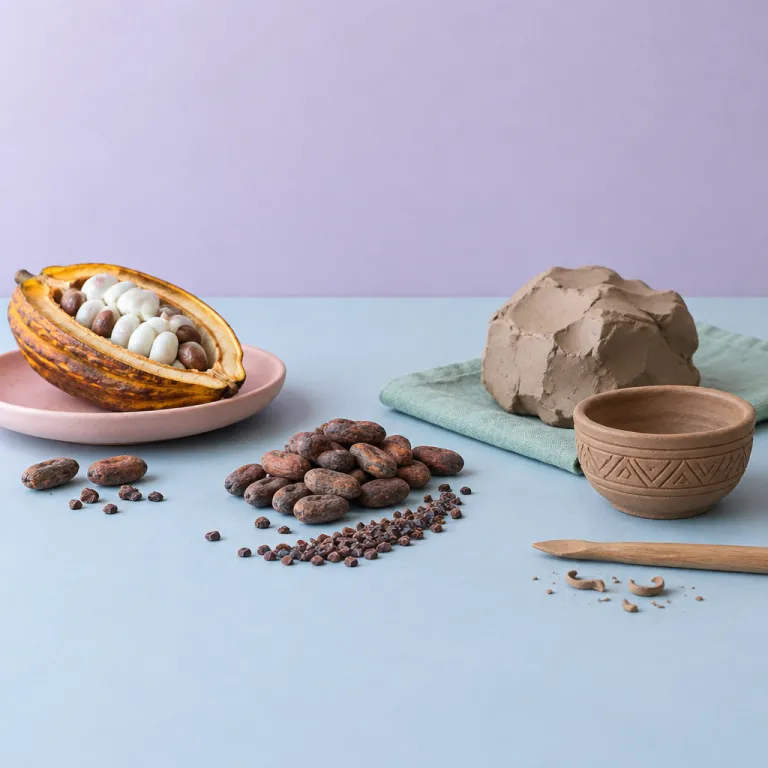
Honduras artisan experience with Lenca cacao as a highland side quest
For the executive who knows Roatán’s reef by heart, the honduras artisan experience Lenca cacao route offers a different register of luxury. This is the inland Honduras that pairs single origin coffee tastings with Lenca pottery studios, where time slows just enough for you to feel how indigenous heritage still shapes daily life in the western highlands. It is a side quest that turns a standard business trip into a curated immersion in culture and craft.
The trail runs through the cool uplands of Intibucá and La Esperanza, where Lenca communities have shaped the land for centuries and where cacao production is quietly redefining Honduran tourism. Here, you trade resort infinity pools for misty ridgelines, adobe villages and small properties that open directly onto fields of coffee trees and cacao beans drying on wooden racks. The comfort level is premium rather than palatial, yet the sense of access to local communities in Honduras is something even the most polished island resort cannot replicate.
Think of this as Central America’s highland counterpoint to the Caribbean coast, a route where every stop opens a window onto traditional Lenca culture and contemporary Honduran agriculture. You taste cacao Lenca chocolate bars beside the very trees that produced the beans, then drive twenty minutes to a ceramics workshop where the same families have worked clay for generations. For travelers using myhondurasstay.com, this artisan trail becomes the inland chapter that balances a reef stay with grounded, place specific experiences.
From San Pedro Sula to La Esperanza and Intibucá: plotting the three night artisan loop
Most business travelers land in San Pedro Sula, then head straight to meetings or onward flights, but the honduras artisan experience Lenca cacao loop rewards those who pause. With three nights to spare, you can drive west through Santa Rosa de Copán’s coffee estates, then south into the highlands of Intibucá and La Esperanza, before curving back toward Palmerola for your island connection. Distances are manageable, yet the shift in altitude and culture feels dramatic.
Plan the first night in Santa Rosa de Copán, the unofficial coffee capital of Honduras, where colonial streets hide cafés pouring single origin Honduran coffee from surrounding fincas. Here, tourism is still low key, and properties tend to be small colonial hotels with attentive service, reliable Wi Fi and quiet courtyards ideal for catching up on work between tastings. Families who run these places are deeply local, and their knowledge of nearby Lenca communities in Honduras often proves more valuable than any guidebook.
On day two, continue toward Gracias and then La Esperanza, the heartland of Lenca culture and a strategic base for visiting nearby villages in Intibucá. This is where you start to feel how indigenous tradition, agricultural production and contemporary Honduran tourism intersect in daily routines rather than staged performances. If you are traveling with family and want to compare this artisan loop with coastal stays, it is worth reading a detailed guide on which Honduras resort balances spa and reef without compromise before locking your full itinerary.
Staying in style: highland lodges, colonial hotels and what luxury means here
Luxury in the honduras artisan experience Lenca cacao corridor does not mean marble lobbies or sprawling resort complexes. Instead, it means waking to cool air at 1 800 metres, strong Honduran coffee served on a terrace overlooking pine forest and staff who know every Lenca village within a one hour drive. Thread counts may be modest, yet service, silence and proximity to culture reach exceptional quality.
In Santa Rosa de Copán, look for restored colonial houses with inner patios, where rooms are simple but polished and where owners can arrange private visits to coffee farms producing single origin beans for export. Around Gracias and La Esperanza, highland lodges sit on the edge of Lenca communities, offering fireplaces, wool blankets and menus built around traditional dishes like atol de elote and tamales wrapped in banana leaves. These properties are rarely listed on global chains, so using a curated platform based on reviews from travelers who value culture and craft over spectacle becomes essential.
For executives planning to connect this inland loop with Roatán or Utila, routing matters as much as room choice, and it is worth studying elegant options for reaching Roatán for a refined island stay before booking flights. Many travelers now arrive via Palmerola, spend two or three nights on the artisan trail, then fly onward to the Bay Islands for the reef chapter. That sequence turns a standard business itinerary into a layered journey through both the highland heritage of Honduras and its coastal marine world.
Cacao, chocolate and coffee: tasting the Lenca highlands
The sensory core of the honduras artisan experience Lenca cacao route lies in its tasting rooms, where cacao, chocolate and coffee tell parallel stories of land and lineage. In the Agalta Valley and western highlands, cooperatives now guide visitors from cacao beans on the tree to finished bars, explaining how fermentation, drying and roasting shape flavor. When those bars carry the label cacao Lenca, they signal beans grown in or near Lenca communities, often by families who have farmed these slopes for generations.
Many of these cooperatives operate with support from the Honduran Institute of Coffee and the Honduran Institute of Tourism, which see in cacao and coffee a way to anchor rural communities in Honduras to sustainable livelihoods. Visitors can walk through plots where coffee and cacao trees share shade, then sit for structured tastings that compare single origin lots from different valleys across Honduras and Central America. The emphasis is on traceability, so you leave knowing not just the flavor profile but the specific community and production methods behind each cup or bar.
Chocolate workshops in La Esperanza often pair tastings with short introductions to traditional Lenca foodways, from maize based drinks to herbs gathered in nearby hills. Some lodges now integrate these experiences into overnight packages, allowing guests to spend time with producers in the morning and return to a quiet room and strong Wi Fi by late afternoon. For executives, this balance between immersive field visits and comfortable work friendly bases is what makes the artisan trail viable within a tight schedule.
Lenca pottery, weaving and food traditions: where heritage meets contemporary craft
Beyond cacao and coffee, the honduras artisan experience Lenca cacao route is anchored in the tactile world of clay, wool and maize. Around La Esperanza and Intibucá, Lenca potters still shape burnished red vessels by hand, using techniques passed down through indigenous lineages that predate the Spanish conquest. These workshops are not staged attractions ; they are working spaces where tourism fits around production schedules and family routines.
Visitors can watch as artisans polish unfired clay with smooth stones, then fire pieces in open kilns that leave subtle smoke marks, each one a signature of time and temperature. Weavers in nearby communities work on backstrap looms, producing shawls and table runners whose patterns encode stories of rain, mountains and maize, giving physical form to Lenca tradition and culture. Buying directly from these studios ensures that your souvenirs carry clear provenance and that income flows straight into local households.
Food is another thread binding heritage to the present, with traditional dishes like sopa de gallina india, yucca with chicharrón and fresh tortillas appearing on menus from roadside comedores to refined hotel dining rooms. Many properties now highlight ingredients sourced from surrounding communities in Honduras, turning each meal into a quiet lesson in regional agriculture. For travelers using myhondurasstay.com, these details matter, and a dedicated guide to the finest high end hotels in Honduras helps identify which properties take this commitment to local sourcing and cultural respect seriously.
Planning your artisan side quest: timing, logistics and what to bring back
To make the honduras artisan experience Lenca cacao route work as a side quest, timing is everything. Two nights inland is the bare minimum, but three nights allow one full day for cacao and coffee, another for Lenca pottery and weaving, and a final morning for unhurried walks through La Esperanza’s markets. Aim to travel outside major national holidays, when roads are quieter and artisans have more time to engage.
Renting a car from San Pedro Sula or Palmerola gives maximum flexibility, though hiring a driver who knows the highland roads can free you to focus on scenery and conversations. Distances between Santa Rosa de Copán, Gracias and La Esperanza are short in kilometres, yet winding mountain routes mean you should budget generous travel time between each stop. Mobile coverage is patchy in some valleys, so download maps in advance and confirm arrival times directly with your hotels.
When it comes to what you bring back, think in terms of weight, durability and story. Lenca pottery travels best when packed in clothing and carried on board, while vacuum sealed single origin coffee and artisan chocolate bars made from local cacao beans slide easily into a laptop bag. Each item becomes a tangible reminder that your trip to Honduras extended beyond the reef, into highland communities where heritage, production and contemporary tourism now intersect in ways that feel both grounded and quietly luxurious.
Key figures shaping Honduras highland artisan and cacao travel
- Honduras ranks among the top coffee producers in Central America, with the Honduran Coffee Institute reporting exports of more than 6 million 60 kilogram bags in recent harvests, a scale that underpins many highland tourism experiences.
- Specialty coffee now represents over 20 percent of Honduran coffee exports according to industry data, reflecting a shift toward single origin lots that appeal to travelers seeking traceable, high quality tastings.
- Honduran cacao production has grown significantly over the past decade, with national agricultural statistics indicating several thousand tonnes harvested annually, much of it destined for premium chocolate markets.
- Community based tourism initiatives in western Honduras involve dozens of Lenca villages, and regional tourism offices estimate that artisan visits and farm tours generate a growing share of local income beyond traditional agriculture.
- Average driving time from San Pedro Sula to Santa Rosa de Copán is around three hours under normal conditions, while the onward journey to La Esperanza via Gracias typically adds another three to four hours, making the three night loop realistic for business travelers.
FAQ: planning a Lenca highland and cacao stay in Honduras
How many days should I allocate for the Lenca highland artisan route ?
Three days and two nights is the minimum to experience both cacao and coffee visits plus one or two Lenca pottery workshops. Executives with tighter schedules can compress the loop into two days, but that usually means choosing either agricultural tastings or craft visits rather than both. For a balanced side quest that still leaves time for Roatán or other coastal stays, three nights inland works best.
Is it realistic to combine the highland artisan trail with a Roatán reef stay on one trip ?
Yes, many travelers now arrive via Palmerola or San Pedro Sula, spend two or three nights in the western highlands, then fly onward to Roatán for diving and beach time. The key is to coordinate domestic flights and driving segments so that you are not rushing between airports and mountain roads on the same day. Booking flexible tickets and using a trusted local agency or platform to align transfers reduces stress.
What level of accommodation should I expect in La Esperanza, Gracias and Santa Rosa de Copán ?
Expect comfortable, well run lodges and colonial hotels with strong hospitality rather than large scale luxury resorts. Rooms are usually clean and stylish, with reliable hot water and Wi Fi, but facilities like gyms or extensive spa menus are rare. The real luxury lies in quiet courtyards, attentive owners and immediate access to surrounding communities and landscapes.
Are visits to cacao and coffee farms suitable for travelers on business schedules ?
Most farm visits can be tailored to last between two and four hours, making them easy to slot between meetings or travel legs. Cooperatives used to hosting international buyers are particularly efficient, offering focused tours that still explain key steps from cultivation to processing. If you share your timing constraints in advance, hosts can adjust routes and tastings accordingly.
What should I prioritize buying from Lenca artisans and cacao cooperatives ?
Lenca pottery, handwoven textiles and small batch chocolate made from local cacao beans are the most practical and meaningful purchases. These items pack relatively easily, carry clear provenance and directly support families in the highlands. When possible, choose pieces signed or labeled with the artisan’s name and community, so you remember exactly where each object or bar came from.