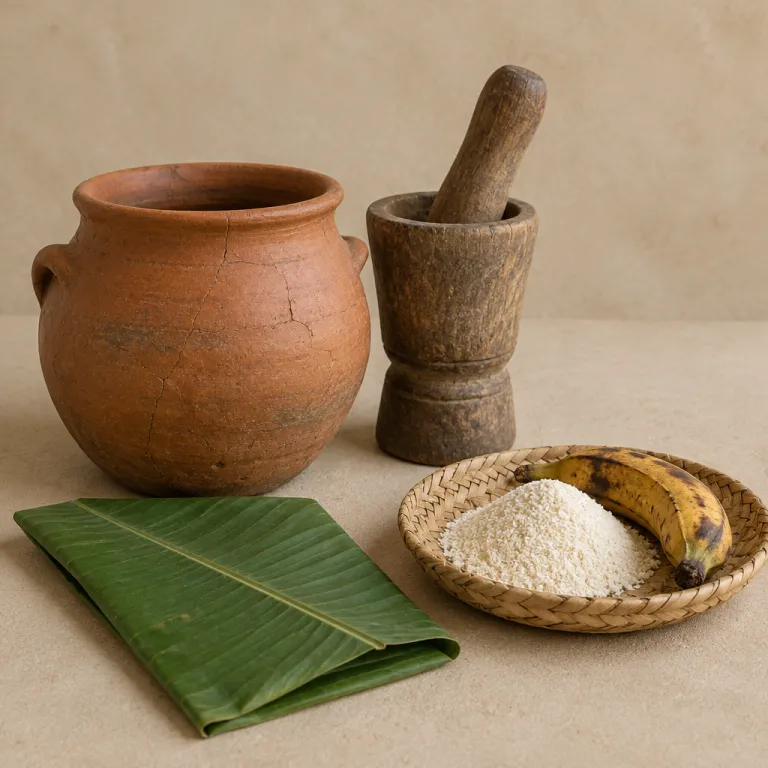
Why couples now plan their trip around a honduras cooking class Garifuna experience
On Honduras’s Caribbean coast, the most intimate meal often begins with your hands in a bowl of grated coconut rather than a white tablecloth. For many couples, the honduras cooking class Garifuna experience is no longer a side activity but the anchor around which they book flights, choose a hotel and map out other activities along the shoreline. When you treat a cooking class as the centerpiece, every other tour, tasting and late check out starts to orbit that single, memorable experience.
Luxury travelers used to book the room first and then ask the concierge about cooking or cultural activities, but the new pattern reverses that order in a way that feels quietly radical. Food curious guests now secure a Garifuna cooking class in a specific village location near Tela, Trujillo or Roatán, then filter hotels by distance, services and how easily a driver will reach the community kitchen. This shift rewards properties that treat cultural tours as core experiences rather than optional extras subject to last minute availability.
For a couple flying in from the United States or even from nearby Belize, the promise is simple and powerful. A honduras cooking class Garifuna experience will consist of three layers in one afternoon ; hands on instruction, shared table conversation with Garifuna people and a meal you helped create from coconut milk, plantains and the catch of the day. That combination of class, tour and meal compresses days of passive sightseeing into a single, concentrated experience that you will remember long after the resort fee and general sales tax have faded from memory.
The Garifuna kitchen: tapado, machuca and the flavours hotels rarely match
Step into a Garifuna home kitchen on the Caribbean coast and you immediately understand why resort restaurants struggle to reproduce these flavours. A typical honduras cooking class Garifuna experience begins with grating fresh coconut for coconut milk, pounding green and ripe plantains for machuca and cleaning whole fish or chicken for the pot while the sea breeze moves through the open doorway. The rhythm is unhurried but precise, and guests quickly sense that this is not a staged show but a working kitchen where every movement has purpose.
Tapado, the emblematic seafood and coconut stew, is where most Garifuna cooking classes start, and the ingredient list alone reads like a tour of the Caribbean coast market stalls. Sweet potatoes, malanga, yucca and plantains slide into a broth of coconut milk and aromatics, while fish, crab or chicken pieces simmer slowly until the flavours meld into something resort buffets rarely achieve. When you book a class in a village near Tela or along the road to Trujillo, the host will often walk you through a tiny gallery of ingredients laid out on a wooden table, explaining which ones travel poorly and why you will not find them easily back home.
Machuca, the mashed plantain served with a ladle of broth, turns into a tactile lesson as guests take turns with the wooden pestle, laughing when their arms tire faster than expected. Between steps, your host might pass around water bottles, answer faq style questions about Garifuna people and share info about other tours subject to community approval. The honduras cooking class Garifuna experience here is not only about cooking ; it is about how a coastal community uses food, music and language to improve experience for visitors without diluting its own traditions.
Tela to Trujillo and Roatán: choosing the right location and hotel pairing
The stretch from Tela to Trujillo is where the honduras cooking class Garifuna experience feels most rooted, because the villages here live and breathe the Afro Caribbean rhythm every day. When you book a stay at a luxury property near Tela Bay, ask the concierge not just for generic tours but for community led Garifuna cooking classes that take place in family homes rather than hotel kitchens. These activities may be tours subject to weather and tides, yet the best hosts will confirm details clearly so guests know exactly what the afternoon will consist of before leaving the lobby.
Roatán adds another layer, because many couples already arrive for diving and then look for a honduras cooking class Garifuna experience that fits between wall dives and sunset sails. On the island, some high end villas and small luxury hotels partner with Garifuna people from nearby communities, arranging short boat transfers that feel like private bottle tours across the reef protected shallows. Here, the class often includes a brief tour of the fishing grounds, a stop to fill reusable water bottles and a conversation about how general sales taxes, resort fee structures and local fishing regulations shape daily life.
For travelers combining Honduras with Belize, the contrast is instructive, because Garifuna communities exist on both sides of the border yet express their heritage through slightly different recipes and cooking techniques. A couple might take a Garifuna cooking class in Hopkins, Belize, then fly to Roatán and repeat the experience site in a Honduran village, comparing how coconut milk, cassava and fish appear in both kitchens. When you read the faq pages of luxury hotels in these regions, look for clear info about which services are handled by the property and which are subject general community guidelines, because that transparency signals respect for local partners.
Inside the class: what the hands on Garifuna and Lenca sessions actually include
A well designed honduras cooking class Garifuna experience does not feel like a demonstration, because you spend more time chopping, stirring and tasting than watching. The session will consist of a short orientation, a walk through the ingredient gallery and then a sequence of tasks where each guest takes responsibility for a specific element of the meal. One couple might handle the coconut milk extraction while another seasons the fish or chicken, and everyone rotates through the mortar to pound plantains for machuca.
Hosts usually keep group sizes small, often between four and eight guests, which allows them to answer detailed faq style questions about recipes, sourcing and cultural context. Language is rarely a barrier, because many Garifuna people along the Caribbean coast speak both Spanish and English, and hotels tend to book classes with facilitators who can translate when needed. Expect to learn why certain traditional cookies appear only at specific festivals, how cassava bread is dried for storage and which ingredients you can realistically bring home without running into customs or sales tax issues.
In the western highlands, Lenca focused classes shift the palette from coconut milk and seafood to corn, beans and herbs, yet the hands on structure remains similar. You might shape ticucos, the Lenca tamales filled with legumes and loroco, while your host explains how general sales patterns at local markets change with the rainy season. For couples staying at highland eco lodges, these classes often sit alongside hiking tours and hot spring visits, creating a trio of activities that improve experience far more than any added resort fee or tax resort package ever could.
Booking smart: luxury hotel logistics, pricing transparency and digital etiquette
On a premium booking site like myhondurasstay.com, the honduras cooking class Garifuna experience now appears not as a side note but as a highlighted cultural excursion. When you book a room, look for clear info on whether the cooking class is included, priced separately or subject general availability based on community schedules. The most trustworthy properties outline resort fee policies, tax resort breakdowns and how general sales taxes apply to external tours, so you are not surprised when settling the bill.
Digital etiquette matters as much as pricing, especially when you move from a polished hotel website to a small community run experience site. Many platforms now use cookie consent banners and site consent tools, and while it may feel routine to click accept, take a moment to read how cookies improve navigation, store your preferences and genuinely improve experience for repeat guests. When a Garifuna cooperative explains that consent cookies help them understand which tours subject to weather are most requested, that level of transparency mirrors the honesty you expect from a luxury hotel’s privacy policy.
Photo management deserves similar care, because a honduras cooking class Garifuna experience often includes a shared gallery of images taken by hosts or guests. Before posting, ask whether the community has any guidelines, and respect any request not to photograph children or private altars, even if your hotel’s faq page seems silent on the matter. For deeper context on how hotels are finally learning from coastal communities, the editorial feature on Garifuna flavours from Tela to Trujillo shows how serious properties now treat Garifuna cooking as a reference point rather than a theme night.
From kitchen to memory: bringing Garifuna and Lenca flavours back home
The real measure of a honduras cooking class Garifuna experience is not only how it tastes that evening, but how it lingers in your own kitchen months later. Couples who take detailed notes during class, photograph each step for a private gallery and ask precise faq style questions about substitutions tend to recreate tapado, machuca or ticucos with more confidence at home. Your hosts will usually suggest which ingredients travel well, from dried herbs to packaged traditional cookies, and which ones like fresh coconut milk or certain roots are better sourced locally once you return.
Some luxury hotels now extend their services beyond checkout by emailing recipes, short cooking videos and links to the original experience site, so guests can revisit the class long after leaving the Caribbean coast or the highland valleys. These follow up messages may require cookie consent on the hotel website, yet when handled clearly they show how digital tools and consent cookies can genuinely improve experience rather than simply track behaviour. A few properties even offer virtual bottle tours of local markets, where you can see how water bottles, spice jars and sacks of cassava line the stalls you once walked through in person.
When you look back on the trip, resort fee line items and general sales tax receipts will blur, but the memory of pounding plantains beside Garifuna people or folding Lenca tamales by hand will stay sharp. That is why more couples now book the class before the room, treating the honduras cooking class Garifuna experience as the fixed point and letting hotel choices, tours and other activities arrange themselves around it. In a country where reef, cloud forest and Maya sites compete for attention, the quiet power of a shared kitchen may be the most enduring luxury of all.
FAQ: planning your honduras cooking class Garifuna experience
How long does a typical Garifuna or Lenca cooking class last ?
Most Garifuna and Lenca cooking classes last between three and four hours, including preparation, cooking and shared meal time. Some community led tours add a short village walk or market visit, which can extend the experience to half a day. Luxury hotels usually specify the exact duration in their faq or activities sections so you can plan other tours around it.
What should we wear and bring to a hands on class ?
Wear light, breathable clothing and closed shoes, because you will be standing, chopping and sometimes working near open flames. Bring a reusable water bottle, sun protection and a small notebook or phone for recipes and cooking tips. Most hosts provide aprons and all utensils, but it is worth checking the experience site or hotel info page before you book.
Are these classes suitable for guests with dietary restrictions ?
Many Garifuna and Lenca hosts can adapt recipes for pescatarian, vegetarian or gluten free diets, especially when you communicate needs clearly at the time of booking. Seafood and coconut milk are central to Garifuna cooking, while corn and beans dominate Lenca dishes, so there is usually room to adjust proteins or side dishes. Ask your hotel concierge to confirm details with the community in advance, because last minute changes may not be possible in remote locations.
How much do Garifuna and Lenca cooking classes cost compared with other tours ?
Pricing varies by region and group size, but a honduras cooking class Garifuna experience typically costs roughly the same as a half day cultural tour or guided hike. Rates may be listed before tax, so expect general sales tax and sometimes a small resort fee or transport supplement when booking through a hotel. Community cooperatives usually state clearly whether prices are per person or per couple, and whether the meal and non alcoholic drinks are included.
Should we book directly with the community or through our hotel ?
Booking through a trusted luxury hotel or a curated platform like myhondurasstay.com offers added reassurance on safety, transport and payment, especially for first time visitors. Direct booking with a community cooperative can channel more income locally, but it requires you to manage logistics, timing and any language gaps yourself. A balanced approach is to ask your hotel which Garifuna or Lenca partners they work with, then confirm details directly with the host once the reservation is in place.