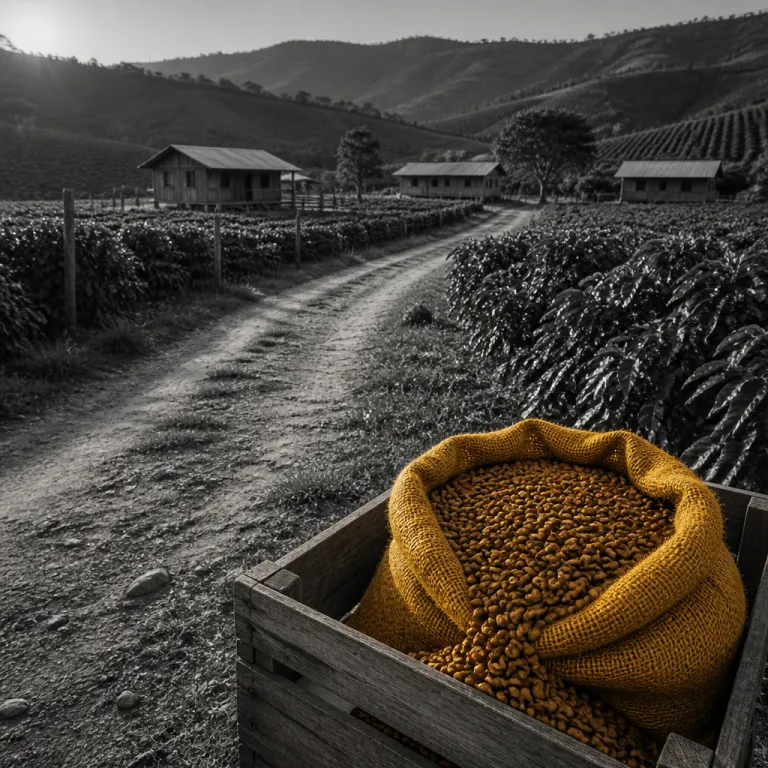
Why your next honduras coffee tour belongs in the western highlands
Most luxury itineraries in Honduras still orbit Roatán, Utila and the reef. A Honduras coffee tour through the western highlands offers a quieter, more cerebral experience that pairs altitude with aroma and turns every cup of coffee into a landscape. For an executive traveler used to ocean view suites, this road west from San Pedro Sula to Santa Rosa de Copán and on to Copán Ruinas feels like a private back door into the country.
Honduras is Central America’s largest producer of grown coffee, and the sixth largest globally, yet many premium travel planners still treat coffee plantations as a half day add on rather than the spine of a journey. According to the International Coffee Organization and FAO trade data, Honduras has consistently ranked among the world’s top ten exporters by volume over the last decade, which makes the western highlands a serious origin rather than a novelty stop. This route reframes that thinking; the coffee farm becomes the destination, and the coastal resort becomes an optional epilogue. You will move from shade grown plots above Lake Yojoa to heritage estates near Santa Rosa, tasting specialty coffee where it is milled, dried and brewed within meters of the trees.
The classic four night Honduras coffee tour itinerary runs San Pedro Sula – Lake Yojoa – Santa Rosa de Copán – Copán Ruinas, then back to San Pedro. Distances are manageable for a business leisure schedule, with the 158 km between San Pedro and Santa Rosa usually taking around three and a half hours by private transfer, based on current Google Maps routing and local driver estimates. Each day you will visit at least one coffee finca, meet local producers and enjoy food and drinks that reflect the highland climate rather than the Caribbean coast.
Mapping the road west: from San Pedro Sula to Santa Rosa de Copán
San Pedro Sula is your logical entry point, with international connections and a growing portfolio of premium hotel options that suit short business stays. For a Honduras coffee tour, choose a central hotel in San Pedro that understands early departures, can arrange a boxed breakfast and will coordinate a private driver familiar with the highland road. This first night in a polished San Pedro hotel lets you reset after the flight and prepare for the slower rhythm of the fincas.
The road west leaves the industrial valley quickly, climbing toward cooler air and the first glimpses of pine forest that signal coffee country. Traffic thins after the junction for Lake Yojoa, and the drive becomes part of the experience; you will pass small farm plots, roadside coffee shops and local markets where a quick stop for a cup of coffee already feels different from the city. Expect around two hours to reach the lake area, then another ninety minutes to Santa Rosa de Copán, depending on stops and traffic.
Santa Rosa de Copán, often shortened to Santa Rosa or even Rosa Copán by locals, is the colonial hinge between San Pedro and Copán Ruinas. Here, your Honduras coffee tour shifts from transit to immersion, as you check into a characterful Santa Rosa hotel with strong service standards and easy access to both town and nearby coffee plantations. For travelers who appreciate intimate, owner led properties, the curated list of luxury addresses where the owner still answers your booking email on this detailed Honduras hotel review is an excellent starting point.
Lake Yojoa and the first finca: where the coffee calendar begins
Your first full day on the Honduras coffee tour usually arcs around Lake Yojoa, the country’s largest natural lake and a natural pause between San Pedro and Santa Rosa. Here, the climate softens, birdlife explodes and the first serious coffee plantations appear on the slopes that frame the water. Many travelers pair a morning visit to a coffee finca with an afternoon at a lakeside brewery or a cloud forest walk.
Several estates near Lake Yojoa now welcome visitors for guided tours that explain how shade grown coffee thrives under native trees and how cherries move from branch to drying patio. Finca El Cielito and Finca Las Flores, for example, have developed structured visits that include time with a local agronomist, a walk through the wet mill and a cupping session that moves from a simple cup of coffee to more nuanced specialty coffee profiles. The nearby D&D Brewery and the lodges around the lake, profiled in depth in this guide to Lake Yojoa’s waterline stays and birdwatching, make it easy to enjoy relaxed food and drinks before continuing west.
From a logistics perspective, Lake Yojoa breaks the drive and introduces the coffee calendar in a tangible way. Visit between November and April, the dry season when picking, processing and sun drying are in full swing and when roads are more predictable for highland travel. As one local operator puts it without hesitation, “What is the best time to visit? The dry season, November to April.” Expect private transfers in late model SUVs or vans to cost more than shared shuttles, but to deliver the punctuality and comfort most executive travelers expect.
Santa Rosa de Copán: colonial base for three fincas in three days
Santa Rosa de Copán is where a Honduras coffee tour becomes a residency rather than a sequence of tastings. The town’s cobbled streets, tobacco heritage and cool evenings create a refined backdrop for three consecutive days visiting fincas in the surrounding hills. Choose a Santa Rosa hotel with reliable hot water, strong Wi Fi and early breakfast service, because your days will start with dawn transfers to the farms.
Within an hour’s drive you will find a cluster of estates, from long established names like Finca Santa Isabel and Finca Santa Teresa to smaller family run plots that now produce award winning specialty coffee. A typical day might begin at a coffee finca near San Rafael, where shade grown lots climb steeply above the farmhouse and where you will share a simple farm breakfast before walking the terraces. Later, you could visit a second farm that supplies Copán coffee to respected exporters such as Spirit Animal Coffee or Welchez Coffee, learning how direct trade practices shape prices and quality and how cooperatives like Cafescor support smallholders.
Evenings in Santa Rosa de Copán are for slow walks, a well pulled espresso in a local coffee shop and perhaps a tasting of regional spirits in a discreet bar. Many travelers are surprised by the depth of food and drinks culture here, from traditional plates in family run comedores to more polished dining rooms that understand international palates. For executives used to coastal resorts, this combination of colonial architecture, serious coffee and walkable streets often feels like the Honduras they did not know existed.
From Santa Rosa to Copán Ruinas: archaeology, cacao and estate stays
The final leg of the Honduras coffee tour runs from Santa Rosa de Copán to Copán Ruinas, a smaller road that winds through villages and valleys where coffee plantations share space with cacao and maize. Travel time is usually around two and a half hours by private vehicle, but you will want to stop at least once at a farm or cooperative. This is where the narrative widens from coffee to the broader agricultural mosaic of western Honduras.
Near Copán Ruinas, several estates now combine coffee and cacao, offering visitors the chance to walk both coffee farm plots and cacao groves in a single visit. You might spend the morning at a coffee finca that supplies Copán coffee to international roasters, then shift to a cacao cooperative that explains fermentation, drying and small batch chocolate making. Finca El Cisne and Finca Santa Isabel Copán are two of the better known mixed estates, with guided tours that include horseback rides, farm lunches and tastings of both freshly brewed coffee and rustic hot chocolate. Lunch is often taken on site, with simple but fresh food and drinks that highlight local maize, beans and seasonal vegetables.
Copán Ruinas itself is more than the gateway to the Maya ruinas; it is also a comfortable base with a growing selection of premium Copán hotel options that understand the expectations of business leisure travelers. Here you can enjoy a refined breakfast in your hotel courtyard, then visit the archaeological park in the cooler early hours before an afternoon coffee tour at a nearby finca. The combination of UNESCO adjacent ruins, highland agriculture and intimate hotels makes this final stop feel like a complete western Honduras circuit rather than a single site visit.
Designing a four night, three finca itinerary for business leisure travelers
For executives extending a work trip, the Honduras coffee tour must be both efficient and indulgent. A well designed four night itinerary usually begins with a night in a San Pedro hotel, two nights in Santa Rosa de Copán and a final night in Copán Ruinas before returning to San Pedro. This pattern keeps daily transfers under four hours while allowing three substantial finca visits and time to enjoy each town.
Day one is arrival in San Pedro Sula, with a relaxed evening, a good cup of coffee in a polished coffee shop and an early night. Day two takes you via Lake Yojoa to your Santa Rosa hotel, with a first visit to a coffee farm en route and a late afternoon stroll through the colonial center of Santa Rosa. Day three is a full immersion in coffee plantations near Santa Rosa, perhaps combining a morning at Finca Santa Isabel with an afternoon at a smaller shade grown plot that focuses on micro lots and experimental processing, arranged through a specialist tour operator or your hotel concierge.
On day four you travel from Santa Rosa to Copán Ruinas, stopping at a mixed coffee and cacao farm where you will share time with local producers and taste both a freshly brewed cup of coffee and a simple hot chocolate. Your final night in a Copán hotel allows an early morning visit to the ruinas, followed by a short coffee tour at a nearby finca before the return to San Pedro. For travelers weighing Honduras against other Central America destinations, this western circuit pairs well with the broader argument for choosing Honduras over Belize outlined in this analysis of why discerning Caribbean travelers are finally crossing the Sapodilla line.
Practicalities, safety and how to choose the right coffee partners
Planning a Honduras coffee tour at a luxury level means being deliberate about partners, timing and standards. Work with operators who collaborate directly with local coffee producers, use English speaking guides and understand the expectations of high end travelers around vehicle quality, punctuality and privacy. Many of the best experiences are built around guided tours, hands on activities and structured tastings that move from farm to cup with clarity.
Safety in the western highlands is generally good for visitors who follow local advice, use trusted drivers and avoid unnecessary night travel between towns. Roads between San Pedro, Santa Rosa de Copán and Copán Ruinas are paved but can be slow in sections, so allow generous transfer windows and treat the journey as part of the experience rather than a hurdle. Pack light clothing for warm days, a layer for cooler evenings in Santa Rosa and Copán, comfortable shoes for walking steep finca paths and always carry water to stay hydrated.
When selecting fincas, look for those that emphasize eco friendly production, transparent relationships with exporters such as Spirit Animal Coffee or Welchez Coffee and a clear narrative about how your visit supports the community. Serious estates will explain how shade grown systems protect biodiversity, how they manage wastewater and how they train staff in both agronomy and hospitality. For travelers who care about impact as much as indulgence, this combination of responsible coffee, refined hotels and thoughtful travel logistics turns a simple tour into a meaningful highland experience.
Key figures on Honduras coffee and the western highlands
- Honduras is the largest coffee producer in Central America and ranks sixth globally by volume, which means a Honduras coffee tour here offers access to a scale of production rarely seen elsewhere in the region (data from International Coffee Organization export statistics and FAO trade reports).
- The distance from San Pedro Sula to Santa Rosa de Copán is approximately 158 km, typically taking around three and a half hours by road, so travelers should plan at least a half day for this first leg of the journey (distance data from Google Maps and DistancesFrom travel calculations).
- The recommended period for visiting coffee plantations in western Honduras is the dry season from November to April, when harvesting, processing and sun drying are in full swing and road conditions are more predictable for highland travel (guidance from regional tour operators and finca owners).
- Structured coffee tours in the Santa Rosa and Copán Ruinas regions commonly include three to five guided finca visits over four nights, which aligns well with a business leisure schedule that adds a long weekend to a work trip (based on sample itineraries from local agencies and cooperative programs).
FAQ about luxury coffee travel between San Pedro Sula, Santa Rosa and Copán Ruinas
What is the best time of year for a honduras coffee tour in the western highlands ?
The optimal time for a Honduras coffee tour between San Pedro Sula, Santa Rosa de Copán and Copán Ruinas is the dry season from November to April. During these months, harvesting, processing and sun drying are active, so visitors can see the full farm to cup process. Road conditions are also more reliable, which is important when planning private transfers between towns.
Are coffee tours and finca visits available in English ?
Many of the more established fincas around Lake Yojoa, Santa Rosa de Copán and Copán Ruinas offer guided tours in English. Operators who work regularly with international travelers ensure that at least one guide per group can explain cultivation, processing and tasting in clear English. When booking through a premium hotel or specialist agency, you can request English speaking guides as a standard inclusion.
Is the route between San Pedro Sula, Santa Rosa and Copán Ruinas safe for tourists ?
The western highlands are generally considered safe for visitors who use reputable drivers, follow local advice and avoid unnecessary night travel between cities. Most luxury travelers move by pre arranged private transfer rather than public buses, which adds an extra layer of security and comfort. Staying in well reviewed hotels in San Pedro, Santa Rosa and Copán Ruinas further enhances safety and service standards.
How many days do I need to experience three fincas comfortably ?
A four night itinerary is ideal for visiting three fincas without feeling rushed. This usually means one night in San Pedro Sula, two nights in Santa Rosa de Copán and one night in Copán Ruinas, with finca visits scheduled on the three full days. Executives extending a business trip often find this structure balances immersive experiences with manageable travel days.
What should I pack for a highland coffee itinerary in Honduras ?
Packing for a Honduras coffee tour in the western highlands should focus on comfort and layers. Bring light clothing for warm days on the farm, a light jacket for cooler evenings in Santa Rosa and Copán, and sturdy shoes suitable for walking on uneven, sometimes muddy finca paths. A reusable water bottle, sun protection and a small daypack for tastings and farm visits round out a practical, elegant packing list.