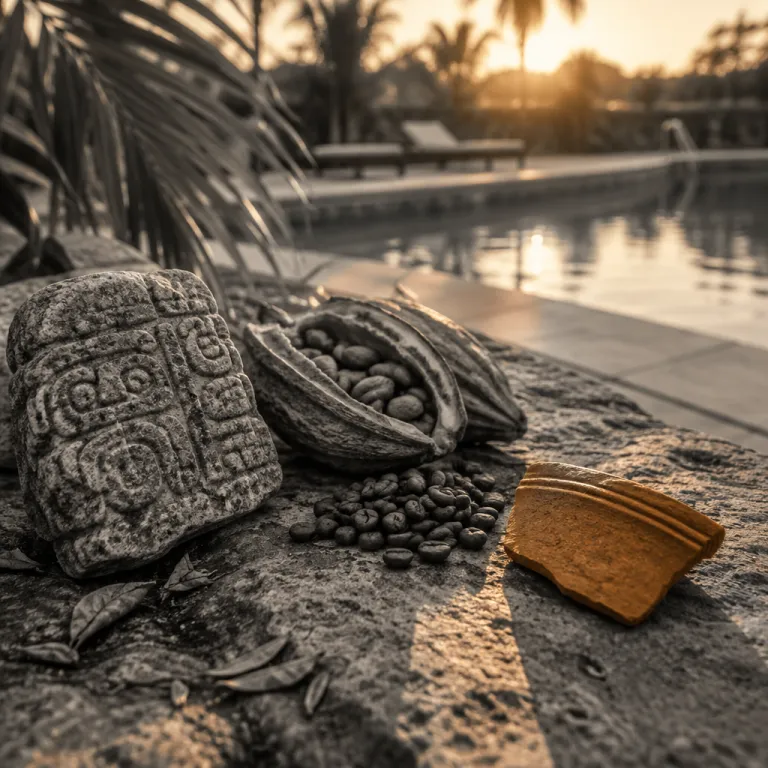
Planning copan ruins family travel children actually enjoy
Copan in western Honduras rewards families who plan around attention spans. For family travel to the Copan ruins that children will remember, think in two hour blocks, not full archaeological days. That simple shift in time management keeps the ruins magical rather than exhausting for kids.
The main archaeological ruins of Copan sit just outside the compact Copan Ruinas town, which makes logistics easy for a premium family stay. You can leave your hacienda style hotel after an unhurried breakfast, walk or take a short tuk tuk ride to the entrance, and still be inside the Mayan city before the heat builds. That proximity is why Copan Ruinas as a place works so well for Central American family travel compared with more sprawling Maya sites in Mexico or Guatemala.
For most families, two or three days in Copan Ruinas is the sweet spot. One full day focuses on the ruins and carvings, while the second day shifts to hot springs, horse trails and macaw encounters that keep kids moving. A third day, if you have the time, lets you slow the pace and simply enjoy the town, its cafés and the hotel pool your children will inevitably love.
Getting to Copan from within Honduras is straightforward, though the road is winding. From San Pedro Sula the drive usually takes around three hours, while from the Palmerola airport near Comayagua you should allow a similar time by private transfer. Families arriving from Guatemala often route via the border near Copan Ruinas, turning a broader Mexico Guatemala or Central America itinerary into a cross border adventure that still feels manageable with children.
Copan also fits neatly into longer Central American journeys that include the Caribbean Sea or tropical islands. Some families pair Copan with the Bay Islands or Costa Rica, balancing culture with beach time and water rafting or white water adventures. Others link Copan with Mexico, visiting Chichen Itza and different Maya sites before crossing toward Honduras for a quieter, more intimate archaeological experience.
Which ruins hold a ten year old at copan
The core question for parents visiting Copan with kids is simple; which parts of the site actually hold a ten year old. The answer lies in turning the archaeological ruins into a story, not a lecture, and choosing specific spaces where kids can move, imagine and play. Copan is compact compared with Tikal or Chichen Itza, which works in your favour when attention starts to drift.
Start at the Great Plaza, where towering stelae and intricate carvings at Copan are close enough for children to trace with their fingers. Here the Mayan rulers become characters, and the carvings feel like a graphic novel carved in stone rather than a distant history lesson. Ask your guide to focus on two or three figures only, because kids remember personalities and dramatic stories far more than long dynastic lists.
The Hieroglyphic Stairway is the heart of many Copan ruins family travel itineraries with children. Present it as a giant puzzle, where each glyph is a piece of a story the Mayan scribes encoded in stone, and suddenly the long staircase becomes a challenge to decode rather than a static monument. Short explanations, clear links to what children learn in school about Central America, and frequent shade breaks keep this section engaging.
Nearby, the ball court is where the site comes alive for kids who love games. Many families re enact a simplified version of the Mayan ball game, using an imaginary ball and clear boundaries to avoid damage, which turns abstract carvings into a lived experience. This is also a great time to talk about how different Maya sites across Mexico, Guatemala and Honduras shared cultural ideas while keeping their own local twists.
Do not miss the scarlet macaws near the entrance, which are part of a long running conservation programme linked to Macaw Mountain. For younger kids, these birds often rival the ruins themselves, and watching them fly over the archaeological ruins creates a vivid memory. If you plan your visit early, the cooler time of day means both children and macaws are more active, and the whole family usually leaves the site feeling they loved the balance between wildlife and history.
When you start thinking about the broader Honduran coastline and island stays, look at curated guides to Roatán activities and things to do for a perfect Caribbean stay, which help you connect Copan’s cultural depth with reef side downtime. That combination of ruins, sea and gentle adventure is what makes Honduras such a great place for premium family travel. It also ensures that the educational weight of Copan is balanced by the simple joy of sand, snorkels and unhurried afternoons.
Macaws, trails and hot springs beyond the main site
Once the main ruins have done their work, Copan family itineraries with children should move into the valley. The surrounding hills, farms and rivers turn the Copan area into a soft adventure playground that still feels safe and contained for families. Here the goal is less about Mayan carvings and more about giving kids space to run, ride and soak.
Macaw Mountain Bird Park sits a short drive from Copan Ruinas town and is a highlight for many families. Children walk shaded trails under tall trees, watching scarlet macaws, toucans and other Central American species up close in large enclosures and flight areas. The conservation story is tangible, because some of these birds are part of the same programme that reintroduces macaws to the archaeological ruins, linking the park directly to the site they visited earlier.
Horseback riding in the Copan Valley works well for school age kids who have already handled a short trail ride elsewhere. Local guides lead you along rural paths, past small farms and toward viewpoints where the town and ruins sit framed by green hills, giving a different sense of place than the plaza alone. Time in the saddle rarely exceeds two hours, which fits the same attention span logic that shapes a well paced family visit to the ruins.
In the late afternoon, many families head to nearby hot springs tucked into the hills outside Copan Ruinas. These thermal pools, often terraced and surrounded by vegetation, let kids shift from history mode into pure relaxation, while parents appreciate the quiet after a full day. Some properties arrange private transfers and timed entries, which is worth the extra cost for premium travelers who prefer controlled environments over crowded public baths.
For families building a broader adventures Honduras itinerary, Copan pairs naturally with the Pico Bonito area near La Ceiba, where river canyons and national park trails offer white water and softer water rafting options. Older kids often love the contrast between the calm of Copan’s plazas and the rush of a raft dropping through a Central American river, while parents appreciate that both experiences remain within one country. If you are continuing to the Bay Islands, consider an elegant all inclusive dive escape in Honduras such as the refined property at Coco View Resort Roatán, which offers easy reef access and calm shallows for confident swimming children.
Families who crave more time by the Caribbean Sea can also look at stays on Roatán or Utila, where tropical islands and reef walls replace stone carvings as the main attraction. Linking Copan with these islands creates a narrative for kids; first the Mayan world, then the underwater world, both within the same Honduras journey. That kind of trip design is where a curated platform like myhondurasstay.com earns its authority for premium family travelers.
Where to stay in copan ruinas with children
Choosing the right hotel in Copan Ruinas is the difference between a family trip children remember fondly and a visit that feels like hard work. For premium families, the priorities are clear; a pool, walkability into town, generous rooms and staff who understand children. Copan’s scale works in your favour, because most high end properties sit within a short distance of both the archaeological park and the main square.
Look first at small hacienda style hotels with inner courtyards, gardens and shaded verandas. These properties often offer connecting rooms or family suites, letting parents keep younger kids close while still enjoying a degree of privacy at night. A pool, even a modest one, becomes essential after a morning among the ruins, because children need a physical reset before any afternoon activity or dinner in town.
Some of the most comfortable addresses sit on the gentle hills above Copan Ruinas, where views stretch across the valley toward the Mayan site. Here you trade a slightly longer walk or short tuk tuk ride for quieter nights and cooler air, which many families find worthwhile. Ask specifically about travel cots, extra beds and whether the property can arrange early breakfasts, because timing your arrival at the ruins before the heat is a central part of the family strategy.
Within town, staying close to the main square keeps restaurants, cafés and small shops within easy reach for an evening stroll. Children often love the simple ritual of walking from the hotel to a favourite ice cream place, then back to the pool or room, which anchors them in the destination beyond the ruins. Parents appreciate that Copan Ruinas remains a walkable, human scale town rather than a resort strip, making independent exploration feel manageable.
For families combining Copan with the Caribbean Sea, it is worth thinking about your hotel sequence across Honduras. You might start with a valley property near Copan Ruinas, then move to a refined Caribbean escape such as the elevated dive focused stay at Hotel Dunbar Rock, where older kids can snorkel while parents enjoy more advanced dives. That contrast between inland archaeological calm and island edge drama gives children a sense that Honduras is not just one place, but a collection of very different landscapes and stories.
Wherever you stay, ask detailed questions about transfer times, especially if you are arriving from Guatemala or continuing toward Mexico Guatemala routes. A good hotel team will give realistic time estimates for border crossings and road conditions, which matters when you are managing both children’s patience and onward connections. That level of honest, granular advice is a hallmark of properties that genuinely understand premium family travel rather than just tolerating kids.
Designing a wider honduras journey around copan
Copan rarely stands alone in a premium family itinerary, and the visits children enjoy most often sit inside a broader Honduras journey. The art lies in balancing archaeological depth with coastlines, forests and rivers, so that each new place feels like a fresh chapter rather than another long lesson. Central America lends itself to this kind of modular trip design, especially when you are moving with school age kids.
One classic route links Copan with the north coast and the Bay Islands, where Roatán and Utila sit in the Caribbean Sea as tropical islands fringed by the Mesoamerican Barrier Reef. Families often spend two or three days in Copan Ruinas, then fly or drive and ferry toward the coast for reef time, snorkelling and gentle adventures Honduras style. Older children sometimes add introductory dives, while younger ones stay close to shore, turning the trip into a layered experience that respects different comfort levels.
Another pattern connects Copan with the Pico Bonito National Park region, where jungle lodges sit near rivers that offer both calm sections and white water stretches. Here, guided water rafting trips can be tailored to families, with shorter runs and clear safety briefings that keep the experience thrilling but controlled. The contrast between tracing Mayan carvings in Copan and paddling through a Central American canyon gives kids a visceral sense of how varied Honduras can be.
For families already exploring Mexico or Guatemala, Copan often becomes the quieter counterpart to more famous Maya sites like Chichen Itza or Tikal. Many parents comment that they loved the way Copan’s scale, shade and manageable trails suited children better than some larger complexes, where distances and crowds can overwhelm. Crossing into Honduras for a few days in Copan Ruinas can therefore feel like a strategic pause in a longer Mexico Guatemala loop.
Some itineraries extend further south toward Costa Rica, stitching together a Central American arc that moves from ruins to cloud forests and then to Pacific or Caribbean coasts. In that context, Copan anchors the cultural and historical dimension, while later stops focus more on wildlife, volcanoes and beaches. The key is to keep travel days reasonable in length, because time in transit is where even the most resilient family can fray.
Throughout this wider journey, platforms like myhondurasstay.com help you compare properties with the level of detail premium families require, from pool depth to interconnecting room layouts. When you read hotel descriptions, look for specific references to children’s experiences rather than vague family friendly labels, because precision signals real expertise. Over several days and several places, that attention to detail is what turns a complex Central American route into a trip your children will say they truly loved.
FAQ
How many days should a family spend in Copan Ruinas ?
Most premium families find that two nights and two full days in Copan Ruinas work well. One day focuses on the main ruins and carvings, while the second day covers Macaw Mountain, hot springs or a short horseback trail. A third night can be useful if you are arriving late from Guatemala or continuing toward the Caribbean Sea.
Is Copan suitable for younger children as well as teenagers ?
Copan suits school age children particularly well because the site is compact, shaded and easy to navigate. Younger kids enjoy the macaws, open plazas and short walks, while teenagers often engage with the Mayan history and carvings more deeply. The key is to keep each visit segment under two hours and to plan pool time afterward.
How does Copan compare with other maya sites like Chichen Itza for families ?
Compared with Chichen Itza or some larger Maya sites, Copan feels more intimate and less crowded, which benefits families. Distances between key structures are shorter, and the carvings at Copan are exceptionally detailed, giving guides strong visual material for children. Many parents say they loved how manageable Copan felt for kids who might tire quickly at bigger complexes.
What is the best way to reach Copan with children ?
Most families arrive by private transfer from San Pedro Sula or Palmerola airport, with journeys usually around three hours. From Guatemala, the road to Copan Ruinas via the border is also common, especially for those on a broader Mexico Guatemala or Central America route. Private vehicles with air conditioning and flexible stops are worth the extra cost when traveling with children.
Can Copan be combined with beach or island stays in Honduras ?
Copan combines naturally with the Bay Islands such as Roatán or Utila, where tropical islands and reef walls offer a strong contrast to the ruins. Many families split their time between Copan Ruinas and a Caribbean Sea property, balancing culture with snorkelling, gentle adventures and pool days. This mix keeps children engaged across the whole trip and showcases Honduras as more than a single type of destination.