Guanaja diving Honduras in the green season
Guanaja diving Honduras in the quiet months feels almost private. From August to October, warm water hovering around 28 °C and barely a handful of divers on each boat turn every immersion into a slow, attentive conversation with the reef. This is the Bay Island where the pace and beauty of the underwater world still dictate your schedule, not a resort timetable or cruise ship horn.
The island sits on the edge of the Mesoamerican Barrier Reef, and the walls drop fast into deep blue water that reminds you Guanaja is firmly part of Central America yet mentally far from it. Local operators based around Savannah Bight and Mangrove Bight typically design dives around the day’s current, so you hit the right reef at the right time rather than chasing a fixed list of dive sites. When you plan Guanaja diving Honduras for these months, you trade surface bustle for long, quiet safety stops where only your bubbles and the distant crackle of shrimp break the silence.
Most dives here are boat based, with short runs of 10 to 20 minutes from the bay to the outer reef and back to your resort before lunch. You will hear experienced divers talk about how Roatán–Guanaja trips used to feel similar, but Guanaja Island still offers that older rhythm, with two or three unhurried dives per day instead of four rushed tanks. One local divemaster summed it up after a long second dive: “We don’t race the clock here; we follow the fish.” If you like to read your logbook slowly on a shaded beach after a Guanaja dive, this is your island and these are your months.
The walls, pinnacles and wrecks that define the island
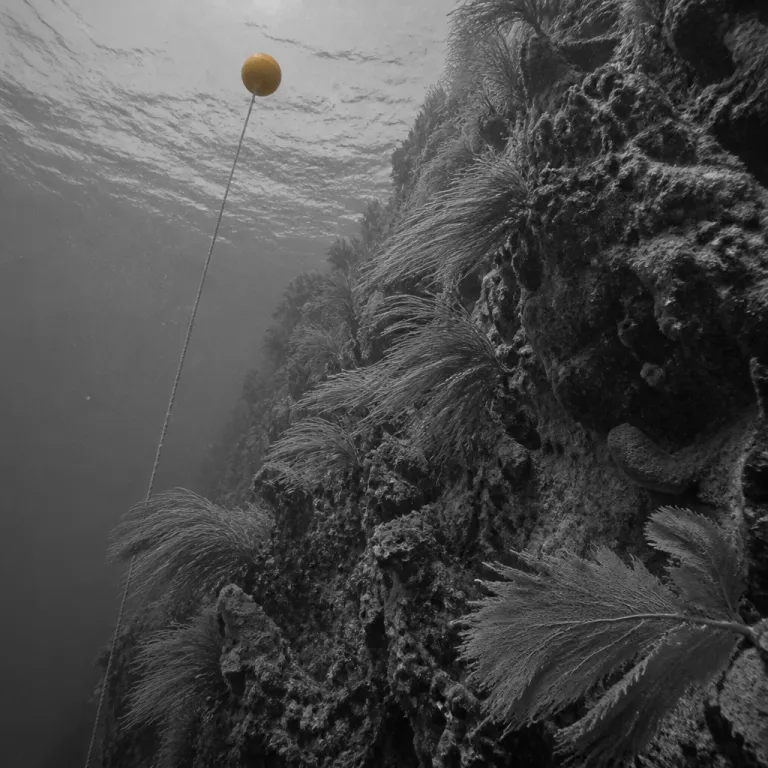
The signature of diving Guanaja is verticality; the walls start shallow, then fall away into cobalt water where pelagics cruise the edge. Many dive sites feature dramatic swim-throughs that twist from sunlit reef tops into shadowed caverns, before spitting you back onto coral gardens patrolled by eagle rays and the occasional squadron of barracuda. Visibility often reaches around 25 meters, which means you can read the entire scene at once, from the soft coral on the lip to the sand channels far below.
For wreck enthusiasts, the Jado Trader is the headline act of Guanaja diving Honduras, a freighter resting on its side and now wrapped in sponges, glassy sweepers and schooling jacks. Guides here do not rush the profile; they understand that experienced divers want long, multi level dives that allow time to explore the hull, the holds and the surrounding reef. Typical currents range from mild to moderate, and briefings usually cover depth limits and penetration options before anyone drops in. One simple exchange captures it perfectly: "Are there wreck dives in Guanaja?" "Yes, the Jado Trader wreck is a popular dive site."
Macro photographers will appreciate how the Bay Islands host more than just big scenes, with Guanaja’s reef offering lettuce sea slugs, cleaner shrimps and cryptic blennies tucked into coral heads. In the green season, nurse sharks often patrol the deeper ledges, while turtles cruise the side island slopes where the reef meets the sand. If you are pairing your stay with serious wildlife watching inland, consider combining your Guanaja Honduras trip with a birding focused lodge on the mainland, using a resource such as a regional guide to where to lodge for serious birding in Honduras.
Where to stay: scarce rooms, serious diving
Hotel inventory on Guanaja Island is limited, which is exactly why the dives feel so uncrowded. You are not choosing between dozens of properties; you are deciding which small resort aligns with your diving style and your appetite for solitude. That scarcity means you should book well ahead for August to October, especially if you want specific room categories or a particular location on the island.
Dedicated divers often gravitate toward a dive resort model, where packages include boat dives, tanks, and guidance from an experienced divemaster who knows every contour of the nearby reef. Some properties echo the feel of a private paradise resort, with only a handful of bungalows, a quiet beach and a house reef that allows easy shore scuba diving between scheduled boat dives. Names like Clearwater Paradise and G&G’s Clearwater Paradise appear frequently in traveler reports and Trip Advisor style forums when visitors read about Guanaja diving Honduras, precisely because they balance comfort with serious scuba infrastructure.
If you prefer to split your time between Guanaja and Roatán, consider starting with a few days at a refined Roatán property, using a planner such as a current guide to the best things to do on Roatán Island, then transferring onward by small plane or boat. That way, you enjoy the full spectrum of Bay Islands hospitality, from Roatán’s polished beach resorts to Guanaja’s quieter, diver led lodges. For a broader overview of high end stays across the country, the editorial team at MyHondurasStay maintains a curated map of the finest Honduras high end hotels for luxury stays, which can help you position Guanaja within a longer itinerary.
Logistics, seasons and who Guanaja really suits
Reaching Guanaja Honduras requires a little more planning than flying into Roatán, but that extra step is why the islands remain quiet. Most travelers route through La Ceiba or Roatán, then connect by small aircraft or scheduled boat to the bay, where resort staff meet you for the final transfer. Typical flight times between the mainland and the Bay Islands are around 30 to 40 minutes, and boat rides from the airstrip to offshore cays often take less than half an hour. It is not complicated, yet it feels like a deliberate journey toward a place that still values reef health over room count.
During the green season, expect warm water, generally calm seas and fewer divers on every Guanaja dive, though short tropical squalls can pass through during the day. Visibility often stays high, and many guests report more relaxed marine life behaviour, with groupers, nurse sharks and turtles approaching more closely when the boat traffic drops. This is also a prime window for underwater photographers who want to work the swim-throughs and walls without fin kicks from other groups in their frame.
Guanaja diving Honduras is not built primarily for first time scuba students; it is tailored to certified divers who already understand buoyancy and want to refine their skills on longer, deeper profiles. If you are a solo explorer who values a strong divemaster, a small boat, and the feeling that the barrier reef still belongs to the current, this side island will feel like clearwater paradise in the literal sense. As interest in remote Bay Islands grows and Roatán–Guanaja combinations become more common, the quiet window may narrow, so now is the time to read the conditions, check your certifications are up to date, and claim a front row seat on a boat where the walls, not the crowds, still set the agenda.
FAQ
When is the best time to dive in Guanaja?
August to October is widely regarded as the best time for Guanaja diving Honduras, with warm water near 28 °C, calm seas and fewer divers on each boat. These months offer excellent visibility, often around 25 meters, which suits both photographers and experienced divers who enjoy long wall dives. Quiet conditions also mean you can plan multiple dives per day without feeling rushed between the bay, the reef and your resort.
What marine life can divers expect around Guanaja?
Divers in Guanaja Honduras regularly encounter healthy coral gardens, sponges, reef fish and larger species such as turtles and nurse sharks along the walls. The Bay Islands sit on the Mesoamerican Barrier Reef, so you can expect a mix of Caribbean species, from angelfish and parrotfish to eagle rays and schooling jacks. In the quiet months, marine life often behaves more naturally, allowing closer approaches during swim-throughs and along the deeper ledges.
Are there notable wreck or advanced dive sites?
Yes, the Jado Trader wreck is the most famous advanced site for Guanaja diving Honduras, resting on its side and covered in sponges and schooling fish. Many operators also visit deeper walls and pinnacles that suit experienced divers comfortable with multi level profiles and stronger currents. A good divemaster will match each site to your certification level, ensuring that both wreck enthusiasts and wall specialists find the right dives.
How should I prepare for a luxury dive trip to Guanaja?
Because hotel inventory on Guanaja Island is limited, you should book your preferred resort and room category several months in advance, especially for August to October. Check that your scuba certifications are current, bring any personal gear you rely on, and read recent Trip Advisor style reviews to confirm service levels and boat schedules. It is also wise to monitor weather forecasts for La Ceiba, Roatán and the Bay Islands, as these hubs affect your flight and boat connections.
Is Guanaja suitable for non divers or mixed groups?
While Guanaja diving Honduras is primarily oriented toward serious divers, non divers can still enjoy quiet beaches, hiking in the pine forest interior and boat trips to Bonacca, the stilted town often called the Venice of Honduras. Some resorts offer snorkeling on the house reef, kayaking in the bay and relaxed day trips around the islands, which keeps mixed groups content while divers are on the boat. That said, travelers seeking nightlife or extensive restaurant choices may be happier basing themselves on Roatán and treating Guanaja as a focused dive extension.