The hotel guide Honduras circuit for culture‑minded executives
Think of this hotel guide to Honduras as a decision tree for travellers who measure trips in meaning, not only in miles. It maps a precise cultural-stay circuit across Honduras that links Copan Ruinas, Lake Yojoa and the Tela coast into one coherent itinerary, giving you a clear structure for booking hotel options that match both business and leisure needs. You move through the country as Honduras history unfolds in stone plazas, cloud forest trails and Garifuna drum circles, rather than as a blur of airports and anonymous hotels.
This Honduras route works especially well for executives extending meetings in San Pedro Sula or Tegucigalpa into a five to seven night setting adventure. You start inland at Copan Ruinas for Maya stelae, shift to Lake Yojoa for birding and Lenca heritage, then end on the Caribbean Central shoreline near Tela where Garifuna culture and national parks frame your final hours before the flight home. Each stop in this travel guide to Honduras is anchored by a specific property style, from colonial hacienda to lakeside lodge to full service resort, so your booking hotel decisions stay simple while your cultural immersion stays rich.
Honduras sits in the heart of Central America, and this circuit respects that geography by keeping overland transfers efficient rather than exhausting. Distances between the main towns are manageable in a single day, which means you can schedule calls in the morning and still reach the next hotel before dusk. With the right travel tips on drivers, road timing and language, travelling Honduras by road becomes less a chore and more a curated corridor between three very different Honduran destinations.
Copan Ruinas: hacienda calm above a valley of stelae
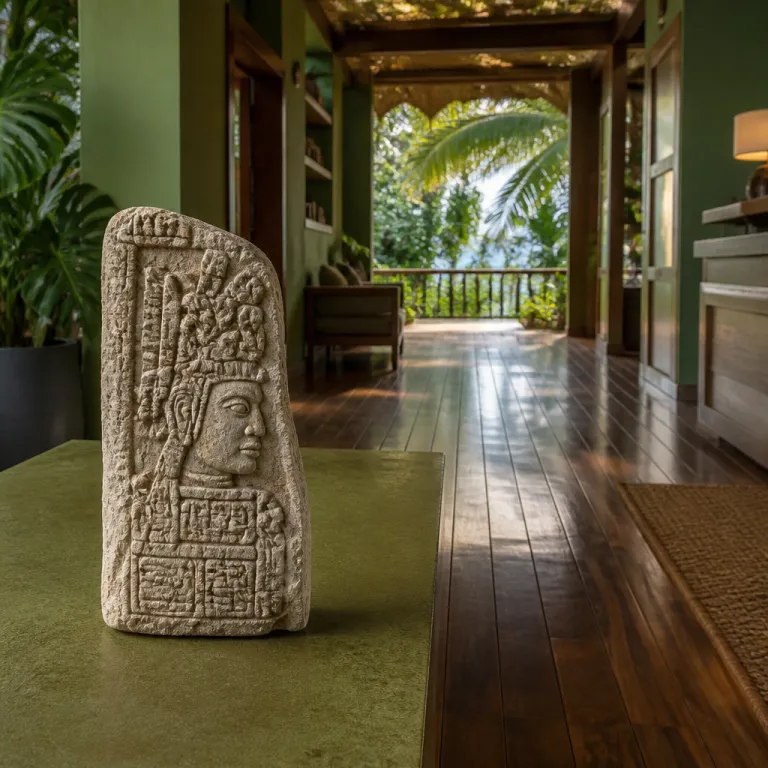
Copan Ruinas is where any serious hotel guide Honduras itinerary for culture should begin. The town sits close to the Guatemalan border, yet it feels firmly part of Honduras history, with cobbled streets, low rise hotels and a relaxed rhythm that rewards unhurried walks between cafés and the small tourist office on the main square. From here, the UNESCO listed Copan Archaeological Site lies only a few minutes away, and the best hotels position you above the valley so sunrise mist and temple silhouettes become your morning backdrop.
Hacienda style properties such as Hacienda San Lucas, a long established, family-run retreat in the hills above town, offer a refined alternative to larger hotels in the area, with adobe walls, candlelit dinners and views that stretch across the Copan River towards the forested hills. For travellers who prefer to stay inside town, Hotel Marina Copan brings historic character right onto the plaza, while Terramaya provides a more intimate hotel experience with personalised service and strong knowledge of local guides. These are not generic Central America stays; they are places where staff will share nuanced travel tips about lesser known stelae groups, rural villages and evening walks that feel safe yet atmospheric.
Plan at least two nights here, three if your Honduras travel schedule allows, because the archaeological complex deserves more than a rushed half day. One day should focus on the main acropolis and its carved stairways, another on the surrounding forested valley where scarlet macaws wheel above the plazas. When you return to your hotel in Copan Ruinas, you can review notes, upload photographs to a private Pinterest board if you like to share visual memories, and still have hours left for a Spanish language conversation over a slow dinner.
Lake Yojoa and Pico Bonito: from brewery lodge to cloud forest
Leaving Copan Ruinas, the hotel guide Honduras circuit bends northeast towards Lake Yojoa, the country’s largest inland lake and a natural pause between Maya stone and Caribbean sand. The drive from San Pedro Sula to the lake takes only a few hours, which makes it easy to align with a Monday to Friday work schedule if you are combining meetings in the city with leisure days in the countryside. Around the lake, the mood shifts from ruins to reeds, and your hotel choices pivot accordingly.
D&D Brewery Lodge, located near the village of Los Naranjos on the lake’s western side, has become the default base for many culture minded travellers who also appreciate craft beer and informal hospitality. Rooms are simple rather than overtly luxury, yet the lodge functions as a strategic hub for excursions to nearby waterfalls, coffee fincas and Lenca heritage towns in the surrounding area. From here, you can arrange guided walks into the cloud forest slopes that feed the lake, or extend the circuit further north towards Pico Bonito National Park near La Ceiba, where higher end hotels sit between river boulders and dense tropical canopy.
Birders will value this section of the travel Honduras route because hundreds of bird species have been recorded across the country’s lakeside and cloud forest ecosystems, according to regional conservation groups and national park surveys. Even if you are not a dedicated birder, early morning canoe outings on Lake Yojoa offer a quiet counterpoint to the intensity of meetings in San Pedro or Tegucigalpa business districts. This is also the moment in your travel guide to pause, refine your next booking hotel decisions for the coast, and perhaps read a deeper background on Honduras destination options in the Bay Islands and along the north shore before you commit to a final few nights by the sea.
Tela coast: Garifuna culture, national parks and resort comfort
From Lake Yojoa, the hotel guide Honduras route continues by road to Tela, a compact bay town that opens onto one of the most interesting stretches of Caribbean Central shoreline. The drive via San Pedro Sula usually takes four to five hours depending on traffic, so plan a mid morning departure to arrive with daylight to spare for check in and a first walk along the sand. Here, the focus shifts from ruins and lakes to Garifuna culture, coastal national parks and the kind of full service hotels that suit executives who still need reliable connectivity.
Indura Beach and Golf Resort, part of the Curio Collection by Hilton and set west of town near the community of Tela Viejo, anchors the luxury end of the market on this section of the bay. The resort sits within easy reach of Garifuna towns such as Triunfo de la Cruz, where community led experiences introduce you to drumming, cassava bread making and the layered history of Afro Indigenous life in Honduras. From Indura, you can also arrange day trips into Punta Sal National Park and the Lancetilla Botanical Garden, both of which add ecological depth to a cultural stay that might otherwise lean too heavily on poolside hours.
Travellers seeking alternatives will find Telamar Resort and Hotel Maya Vista among the best established hotels in and around Tela, each with its own balance of sea views, service style and proximity to town. Across these properties, staff will often share practical travel tips about tide timings, Garifuna festivals and the safest ways to move between the resort area and local restaurants after dark. If you are weighing this coast against a stay on Roatán or another Bay Islands destination, remember that Tela’s strength lies in its blend of culture, national parks access and efficient overland links back to San Pedro Sula for your outbound flight.
Roatán and the Bay Islands: when to add the reef
No serious hotel guide Honduras would ignore Roatán and the wider Bay Islands, even if this particular circuit focuses on culture first. These islands sit off the north coast of Honduras in the Caribbean Central region, and they offer some of the best reef diving in the country, yet they also require an extra flight or ferry leg from La Ceiba or San Pedro Sula. For an executive with limited days, the question is not whether Roatán is appealing, but whether adding an island segment will dilute or enhance the cultural narrative of the trip.
If you have seven nights to work with, a refined island escape on Roatán can complement the Copan–Yojoa–Tela triangle rather than compete with it. In that case, consider flying from San Pedro Sula to Roatán after Tela, spending two or three nights at an upscale hotel that understands both leisure and remote work needs. Properties on the island range from intimate coastal retreats to larger luxury resorts, and the best hotels will help you balance wall dives and reef snorkelling with quiet hours on the terrace when you need to clear email or prepare for Monday to Friday commitments back in the United States.
For travellers who prioritise culture and national parks over reef time, it may be wiser to keep Roatán and the other Bay Islands for a future Honduras travel dedicated to the sea. That allows this particular travel guide circuit to remain tightly focused on Honduras history, Garifuna heritage and inland nature, without the logistical complexity of extra island transfers. Either way, Roatán remains a powerful Honduras destination in its own right, and you can always save a curated Pinterest board of island hotels and travel tips for your next visit.
Logistics, safety and booking strategy for the circuit
Designing a hotel guide Honduras itinerary that feels seamless rather than stitched together starts with transport decisions. For most travellers, hiring a private driver between San Pedro Sula, Copan Ruinas, Lake Yojoa, Tela and La Ceiba offers the best balance of safety, efficiency and local insight, especially if your Spanish is limited. Self drive is possible on the main highways, yet a driver who knows the area will manage road conditions, fuel stops and timing while you handle calls or simply watch the country unfold.
In terms of nights, a five to seven day circuit might allocate two nights in Copan Ruinas, two around Lake Yojoa and two or three on the Tela coast, with an optional extension to Roatán or Pico Bonito depending on your interests. That structure respects typical Monday to Friday work patterns while still giving you full days for ruins, national park excursions and Garifuna cultural experiences. When booking hotel stays, aim for flexible rates that allow minor date shifts, and consider using a single trusted platform or specialist agent that focuses on Honduras and offers curated, insider level recommendations without sponsored bias.
On the ground, rely on local tourist office staff in each town for up to date advice on opening hours, roadworks and any regional events that might affect your plans. National parks and archaeological sites sometimes adjust access times, so confirm details the day before, especially if you are coordinating with a driver or fitting visits between remote meetings. Finally, look for hotels and tours that publish clear sustainability practices, such as waste reduction, local hiring and community partnerships, so your choices directly support the long term health of the places you have come to experience.
Key figures for cultural stays in Honduras
- The Copan Ruinas area receives a steady flow of visitors each year according to the Honduran Tourism Institute and UNESCO World Heritage Centre data, which keeps the archaeological site lively yet far from overcrowded compared with major ruins elsewhere in Central America.
- Garifuna communities live along much of the Honduran coast, and Honduras is widely recognised by cultural organisations and academic studies as one of the most significant Garifuna cultural centres in the Caribbean Central region.
- Honduras hosts hundreds of bird species across its national parks, lakes and cloud forests, which positions the country as a serious birding destination rather than a simple beach or island stop.
- The overland drive from San Pedro Sula to Copan Ruinas typically takes around three to four hours, while the route from Copan to Tela via Lake Yojoa can be comfortably managed in a single travel day with a private driver.
FAQ about the Copan to Tela cultural-stay circuit
What is the best time to visit Copan Ruinas on this circuit ?
What is the best time to visit Copan Ruinas? The dry season from November to April offers the most reliable weather for exploring the archaeological site and walking around town. Outside these months, rain showers are more frequent, but crowds are lighter and hotel rates can be more flexible.
How many nights should I plan in each destination ?
For a balanced cultural stay, plan at least two nights in Copan Ruinas, two around Lake Yojoa and two or three in the Tela area. That rhythm allows one full day for ruins, one for lakeside or cloud forest excursions and one or two for Garifuna culture and national park visits on the coast. If you add Roatán or Pico Bonito, extend the trip to seven or eight nights to avoid rushing.
Are there direct flights to Tela for this itinerary ?
Are there direct flights to Tela? No, the nearest major airport is in San Pedro Sula, which serves as the main air gateway for this circuit. From there, you can continue by road with a private driver to Copan Ruinas, Lake Yojoa and Tela, or connect onwards to La Ceiba and the Bay Islands.
Is it safe to travel between Copan, Lake Yojoa and Tela by road ?
Is it safe to travel between Copan and Tela? Yes, with standard precautions and sensible planning, the main routes are widely used by visitors and locals. Hiring a reputable driver through your hotel or a trusted operator adds an extra layer of security and convenience, especially if you are unfamiliar with the area.
Do I need to speak Spanish to follow this cultural-stay circuit ?
English is spoken in many hotels and by some guides, particularly in Roatán and larger properties near Tela. However, learning basic Spanish phrases will enrich your interactions in smaller towns, at local restaurants and during Garifuna or Lenca community visits. Even simple greetings and polite expressions tend to open doors and deepen the cultural dimension of your stay.