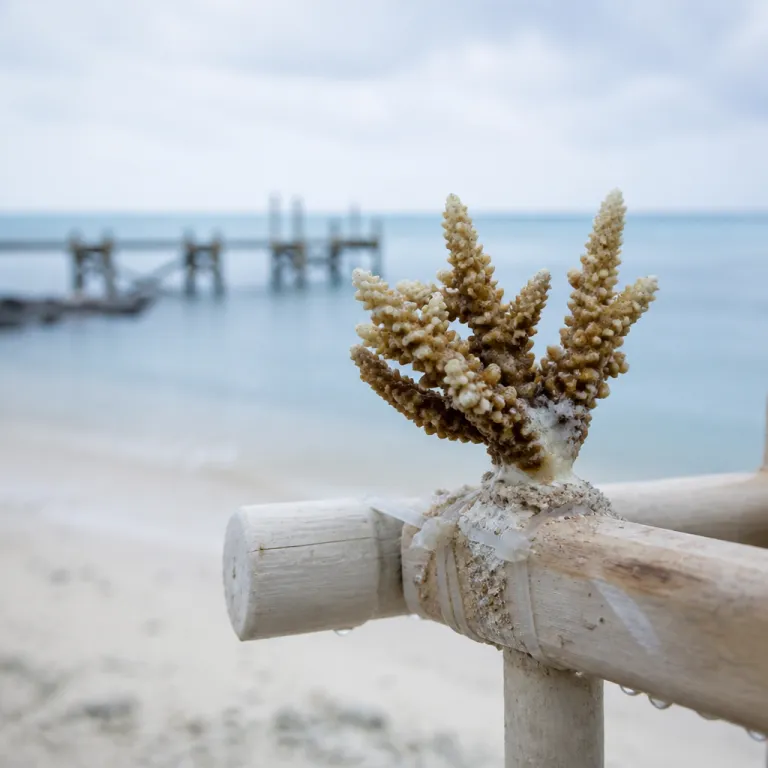
Why a Roatan coral restoration visit belongs on a luxury itinerary
On Roatan, the most interesting shore excursion now happens beneath the surface. A Roatan coral restoration visit turns a classic reef outing into a quietly powerful conservation experience that still feels indulgent for a premium family. You trade a standard sightseeing cruise for time spent with marine biologists, then return to your resort with salt in your hair and a story your children will remember.
The island sits on one of the healthiest stretches of the Mesoamerican Barrier Reef, so every coral and every coral reef you see carries real ecological weight. Caribbean coral populations have declined by 90 %, which means the reefs around Roatan are no longer just scenic backdrops but living laboratories where reef restoration is reshaping how luxury travellers engage with the sea. When you book a high end resort here, you are suddenly within a short boat ride of coral nursery structures, roatan marine research stations and a restoration program that welcomes guests into the work.
For families used to private catamarans and long pool days, the surprise is how seamlessly a coral restoration shore excursion fits into a relaxed week. You will learn how coral species are selected, how a coral nursery is maintained and why a single coral reef can support entire coastal communities. The tone is not classroom stiff ; instead, guides translate complex marine science into clear language, letting younger adventurers learn through touch tanks, underwater slates and gentle snorkel tours over the nurseries.
Inside the coral nursery: what actually happens on the water
The Roatan Institute for Marine Sciences runs one of the Caribbean’s most respected coral nursery operations, and a guided visit feels more like a backstage pass than a lecture. Your boat leaves from Anthony’s Key Resort in Sandy Bay, skimming over shallow reefs until the first PVC coral trees appear below, each one hung with growing corals that sway lightly in the current. This is where a Roatan coral restoration visit stops being abstract and becomes a hands on encounter with reef restoration in real time.
On board, instructors brief you on coral gardening techniques and explain how outplant corals are later fixed to damaged reef sections with marine epoxy. They outline how the Roatan Marine Park, often shortened locally to RMP, coordinates monitoring dives, rmp coral surveys and enforcement inside the wider Bay Islands National Marine Park. One of the most useful lines you will hear is simple and direct ; “What is coral gardening?” and “How can I participate?” and “Is prior diving experience required?” are answered clearly as “Cultivating corals in nurseries for reef restoration.” and “Join programs offered by local dive shops.” and “Yes, Advanced Open Water certification is needed.”
Once in the water, snorkellers float above the coral nursery while certified guests dive down to gently clean algae from coral species fragments. You will learn coral handling protocols, how to avoid touching wild coral reefs and why even a small outplant coral can change a patch of roatan coral over a few seasons. For non divers, the specialty lies in observation ; watching divers move between coral trees, seeing the roatan marine park team record data and understanding how your resort stay can support this restoration program financially.
Between sessions, many families pair the nursery outing with quieter inland wellness time, booking a day or two at one of the highland retreats highlighted in our guide to yoga retreats and highland wellness stays west of the reef. That contrast between reef focused mornings and cool mountain evenings gives a Roatan coral restoration visit a satisfying narrative arc. It also keeps younger travellers engaged, alternating marine park adventures with hammocks, forest trails and slow breakfasts.
Choosing the right resort and dive partner for reef restoration
Not every Roatan resort is equally invested in coral conservation, so your booking choices matter. Properties such as Anthony’s Key Resort, often shortened informally to Anthony Key, have built their identity around marine science, hosting the Roatan Institute for Marine Sciences and offering structured coral restoration experiences. Other high end addresses lean more toward spa menus and sunset decks, then partner with external dive shops for any reef restoration or coral nursery access.
For a premium family planning a Roatan coral restoration visit, the first filter should be the resort’s relationship with the Roatan Marine Park and other conservation actors. Ask whether your chosen resort works directly with RMP coral initiatives, supports the Bay Islands Conservation Association or collaborates with Roatan Divers and Sun Divers Roatan on restoration certification courses. A property that can arrange a dedicated coral conservation briefing, a private boat for your group and flexible dive schedules will help you balance reef time with relaxed afternoons by the pool.
Look for on site or closely affiliated dive centers that offer a coral restoration specialty course alongside standard diving certifications. During such a course, you will learn coral biology basics, practise buoyancy over fragile coral reefs and, in some cases, assist with supervised outplant corals on prepared reef sites. Families with older teenagers often appreciate this structure, as each adventurer learns at their own pace while still sharing the same reef restoration narrative.
When you want a broader sense of the island’s premium landscape, our detailed guide to elegant ways to enjoy Roatan on a luxury island escape helps frame how a coral restoration day can sit alongside sailing, spa rituals and inland excursions. The key is to treat the roatan coral restoration visit not as a one off eco activity but as a central thread in your stay. That mindset encourages you to support marine park fundraising events, choose reef friendly sunscreens and return to the same reefs over several days to see subtle changes.
What a restoration day looks like for families and new divers
A typical coral restoration day begins quietly at the resort dock, with coffee in hand and dive gear already loaded. Younger guests listen as instructors explain how the reef functions, why coral species such as staghorn and elkhorn are priorities and how each person will help without harming fragile corals. The tone is calm but purposeful, and even first time snorkellers sense that this is more than a standard reef tour.
Once at the site, certified divers drop in first to check currents and visibility, then signal for snorkellers to follow with guides. Those who prefer to stay topside can still support the restoration program by helping staff prepare outplant coral materials, labelling coral nursery tags or recording basic marine observations from the boat. This layered approach means every family member will learn something meaningful, regardless of their comfort level with diving.
During the underwater phase, divers practise precise fin kicks above the coral reef, then move carefully between coral nursery trees to remove algae and sediment. Under supervision, some guests may assist with placing outplant corals onto pre cleared reef patches, gaining a tactile sense of how reef restoration actually happens. Back on board, instructors debrief the group, answer questions about roatan marine park regulations and suggest ways to continue coral conservation efforts once you return home.
Afternoons usually shift back into classic resort mode, with long lunches, shaded loungers and perhaps a gentle shore dive for those who want more time underwater. Parents often notice that children talk less about the resort pool and more about the coral reefs they helped tend, which is a subtle but powerful shift. Over several days, repeating a Roatan coral restoration visit turns a one time excursion into a family narrative about responsibility, curiosity and shared marine experiences.
Planning your Roatan coral restoration visit with myhondurasstay.com
Turning this kind of reef experience into a seamless holiday starts long before you arrive on Roatan. On myhondurasstay.com, we curate resorts and dive operators that treat coral restoration as a core value rather than a marketing line, then match them to your family’s comfort levels and interests. That means you can focus on choosing between a hilltop suite with sweeping reef views or a waterfront room steps from the dive dock.
When you browse our Roatan listings, pay attention to how each resort describes its relationship with the Roatan Marine Park, the Roatan Institute for Marine Sciences and other conservation partners. Properties that highlight coral restoration programs, mention reef restoration dives or reference coral nursery visits usually have deeper ties to local marine park initiatives. Our guide to West Bay Beach Roatan resorts and premium stays is particularly useful if you want easy access to both high end amenities and efficient boat transfers to restoration sites.
We also encourage guests to think about timing and certification before they book. If you or your teenagers want to complete a coral restoration specialty course or a broader restoration certification, plan at least several days of diving so you are not rushing between lessons and family meals. Those who already hold Advanced Open Water can move straight into coral conservation activities, while newer divers might schedule a few relaxed reef dives before joining any restoration program work.
Finally, consider how you will support these efforts beyond a single Roatan coral restoration visit, whether through donations to RMP coral projects, repeat stays at conservation focused resorts or simply returning to the same coral reefs over the years. The most satisfying luxury in Roatan is not just a spacious suite or a private boat but the knowledge that your holiday helped a coral reef breathe a little easier. When that aligns with attentive service, thoughtful design and clear water over thriving corals, you understand why this has become the island’s most compelling shore excursion.
FAQ about Roatan coral restoration visits for luxury travellers
Do I need to be a certified diver to visit a coral nursery in Roatan ?
You do not need to be a certified diver to join a Roatan coral restoration visit, because many nurseries are shallow enough for guided snorkel tours. However, hands on tasks such as cleaning coral nursery structures or helping with outplant corals usually require at least Advanced Open Water certification. Families often split activities, with certified divers assisting underwater while snorkellers observe from above the reef.
How can my resort stay genuinely support reef restoration work ?
Your choice of resort and dive operator has a direct impact on coral conservation outcomes. When you book with properties that partner closely with the Roatan Marine Park, the Roatan Institute for Marine Sciences or the Bay Islands Conservation Association, a portion of your spend often flows into reef restoration, monitoring and enforcement. You can also support by joining fundraising dives, respecting marine park rules and choosing low impact excursions over high traffic reef sites.
What does a typical coral restoration specialty course include ?
A coral restoration specialty course usually combines short classroom sessions with several open water dives focused on coral identification, buoyancy control and nursery work. During the course, you will learn coral biology basics, practise hovering above fragile coral reefs and, under supervision, assist with simple restoration tasks such as cleaning nursery trees. By the end, most guests feel confident contributing to structured restoration programs in Roatan and other reef destinations.
Is a coral restoration excursion suitable for children and teenagers ?
Many Roatan operators design coral restoration excursions with families in mind, offering age appropriate briefings, shallow snorkel routes and clear roles for younger guests. Children who are comfortable in the water can join guided snorkels over the coral nursery, while teenagers with certifications may participate in supervised reef restoration dives. The key is to choose an operator experienced with family groups and to be honest about each child’s swimming ability and attention span.
How far in advance should I book a Roatan coral restoration visit ?
Spaces on structured coral restoration outings are limited, especially during peak holiday periods when dive boats fill quickly. To secure preferred dates and private guiding, it is wise to coordinate your restoration program at the same time you confirm your resort booking. This allows operators to align boat schedules, instructor availability and any required restoration certification sessions with the rest of your itinerary.